
The Omo Valley is home to more than 16 distinct ethnic groups, each with its own language, dress, rituals, and worldview. Few places on earth hold this level of cultural density in one region. For photographers, it is not just a destination. It is a responsibility.
This guide breaks down what makes Omo Valley tribes’ photography tours powerful, how to prepare, what to expect, and how to approach it with respect and skill.
Why Omo Valley Is a Global Photography Hotspot
Omo Valley sits in southwestern Ethiopia. It is often listed among Africa’s most culturally significant regions by travel researchers and anthropologists. The area includes communities such as:
• Mursi
• Hamar
• Karo
• Dassanech
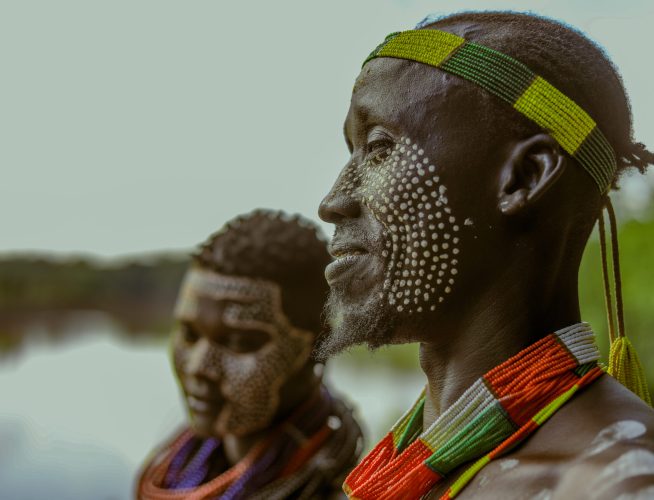
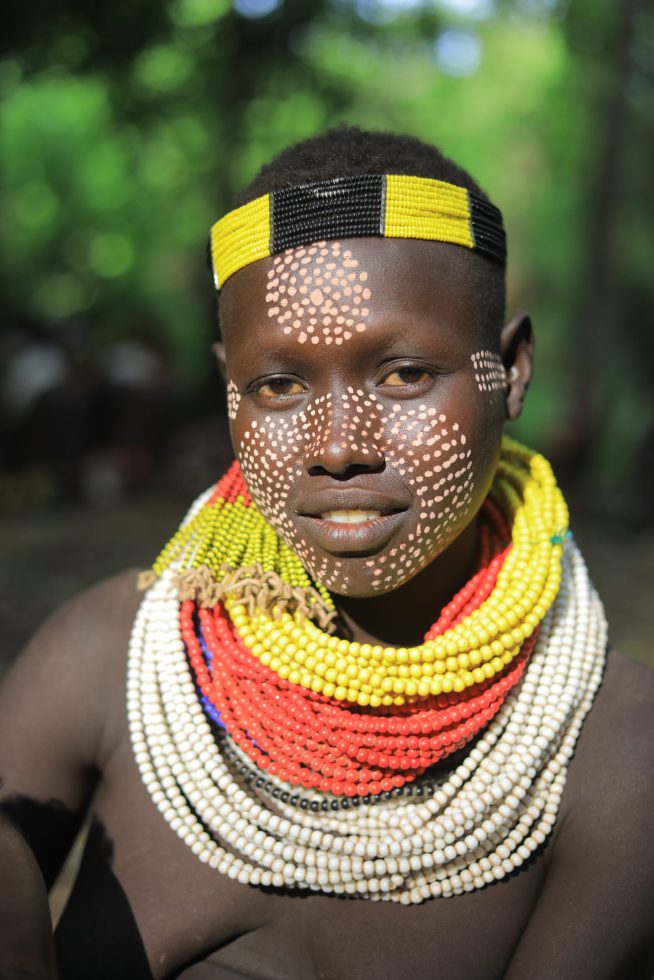
Each group maintains strong visual traditions. Body painting. Beaded adornments. Scarification. Ceremonial gatherings. These are not staged performances for tourists. They are lived culture.
National Geographic and other global media outlets have documented the valley for decades. Yet access remains complex. Roads are rough. Permissions matter. Cultural sensitivity is critical.
Photography tours here require more than a camera. They require trust.
What Makes a Strong Omo Valley Photography Tour
1. Cultural Mediation
Local guides who speak regional languages help bridge gaps. Misunderstanding can shut the door soon. An excellent guide interprets the background prior to you picking up your camera.
2. Ethical Photography Practices
Responsible tours have simple and yet important rules:
• Always ask before photographing
• Respect compensation customs
• Avoid intrusive close-ups
• No staged manipulation
Communities are not museum exhibits. They are living societies.
3. Timing and Light Strategy
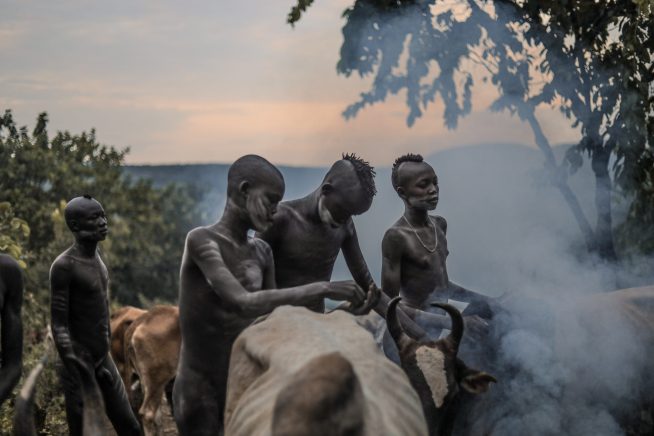
Early mornings and late afternoons offer the best light. Markets, cattle movements, and ceremonies often happen at specific times. It is planning around these rhythms that can distinguish between ordinary and outstanding images.
Practical Photography Advice from the Field
Years of cultural photography across East Africa show a few patterns:
Gear matters, but behavior matters more.
Recommended setup:
• 24 to 70mm lens for environmental portraits
• 70 to 200mm for a respectful distance
• Extra batteries and dust protection
Remote conditions mean no quick replacements.
Patience pays off. Rushing interactions rarely produce meaningful images. Spending time without shooting builds comfort. Then expressions change. Posture softens. Real moments emerge.
Logistics You Should Not Overlook
Omo Valley tours often involve:
• 4×4 transport across rough terrain
• Domestic flights to Jinka
• Basic but clean lodges
• Long driving hours between tribal territories
Security warnings and travel warnings in the area should be checked. The tourism authorities and the authorized operators in Ethiopia control these factors.
Independent travel here is possible, but not advisable for first-time visitors. Tours of photography are more accessible and less risky.
Why Ethical Tours Matter for Cultural Preservation
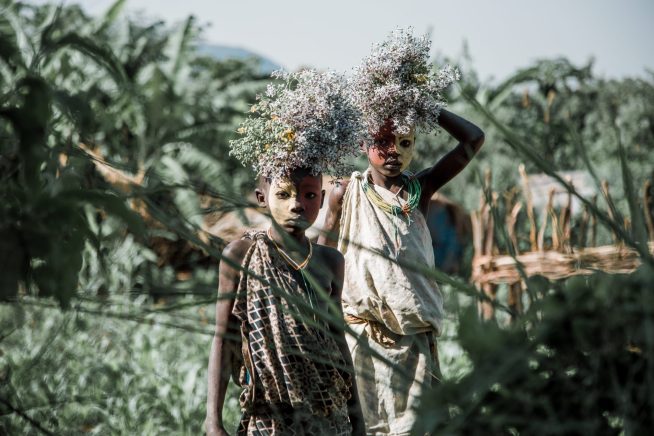
Tourism, when done right, supports local economies. Community fees contribute to schools, water access, and infrastructure. When done poorly, it creates exploitation and resentment.
A responsible operator balances:
• Access
• Fair compensation
• Cultural respect
• Real storytelling
The tourism authorities and the licensed operators in Ethiopia control these factors.
Responsible Travel Creates Lasting Impact
It is planning around these rhythms that can distinguish between ordinary and outstanding images. Strong local guidance, ethical practice, and thoughtful timing transform simple portraits into meaningful stories.
When handled responsibly, these journeys benefit both travelers and communities. Liyu Ethiopia Tours offers reliable on the ground experience in well-coordinated, culturally-informed experiences.