

Ethiopia Welcomes 2019: Discover the Unique Ethiopian Calendar and Enkutatash
Happy Ethiopian New Year 2019: Discover Ethiopia's Unique Calendar
Today, September 11, 2026, Ethiopia welcomes 2019 according to its own calendar. While much of the world is living in 2026, Ethiopia begins a new year with Enkutatash, the Ethiopian New Year.
This fascinating difference is one of the many things that makes Ethiopia unique. The Ethiopian calendar is not simply a different way of writing the date—it is an important part of the country’s history, culture, traditions, and everyday life.
For travelers visiting Ethiopia, understanding the Ethiopian calendar offers a wonderful insight into the country’s distinctive heritage.
What Year Is It in Ethiopia Today?
Today is:
Gregorian Calendar: September 11, 2026
Ethiopian Calendar: Meskerem 1, 2019
Celebration: Enkutatash – Ethiopian New Year
Ethiopian year 2019 begins on September 11, 2026, marking the first day of the Ethiopian month of Meskerem.
The Ethiopian calendar generally runs seven to eight years behind the Gregorian calendar, depending on the time of year. This is because the two calendar systems use different historical calculations for the year numbering.
So, while the rest of the world says 2026, Ethiopia is celebrating the beginning of 2019.
Why Does Ethiopia Have a Different Calendar?
The Ethiopian calendar has roots in ancient Christian and Coptic calendar traditions. It follows a calendar system that differs from the Gregorian calendar used in most countries.
One of its most interesting features is that the Ethiopian calendar has 13 months.
The first 12 months each contain 30 days, while the 13th month, called Pagumen (ጳጉሜ), contains five days in a regular year and six days during a leap year.
This is why Ethiopia is sometimes famously described as “a country with 13 months of sunshine.”
The 13 Months of the Ethiopian Calendar
The Ethiopian year is divided into:
Meskerem
Tikimt
Hidar
Tahsas
Tir
Yekatit
Megabit
Miazia
Ginbot
Sene
Hamle
Nehase
Pagumen
The first day of Meskerem marks the beginning of the Ethiopian New Year.
Today, Ethiopia has moved from 2018 to 2019, welcoming the new year with family gatherings, celebrations, traditional food, music, flowers, prayers, and warm wishes.
What Is Enkutatash?
Enkutatash (እንቁጣጣሽ) is the Ethiopian New Year celebration.
It takes place on Meskerem 1. The celebration represents renewal, hope, new beginnings, and the start of a new year.
The season is especially beautiful because the long rainy season has ended and Ethiopia’s highlands become green and vibrant. Yellow Adey Abeba flowers appear across the countryside, adding a distinctive color to the New Year celebrations.
How Do Ethiopians Celebrate New Year?
Enkutatash is a time for families and communities to come together.
Traditional celebrations can include:
- Adey Abeba flowers
- Traditional songs and dancing
- Family gatherings
- Traditional Ethiopian food
- Ethiopian coffee ceremonies
- Church services and prayers
- New clothes and traditional clothing
- Visiting friends and relatives
Children may sing songs and visit homes during the celebrations, while families gather to share food and good wishes for the year ahead.
A traditional meal may include doro wat and injera, followed by Ethiopia’s famous coffee ceremony.
Why Is Ethiopian New Year Celebrated in September?
One of the first questions many international visitors ask is: “Why does Ethiopia celebrate New Year in September?”
The Ethiopian New Year arrives around the end of the main rainy season. September brings a period of renewal across much of the Ethiopian highlands, with fresh vegetation and yellow flowers appearing across the landscape.
The timing gives Enkutatash a strong connection with nature, agriculture, renewal, and the changing seasons.
This makes celebrating New Year in Ethiopia a very different experience from celebrating January 1 in many other parts of the world.
Ethiopia: A Country Where History and Culture Live On
The Ethiopian calendar is only one part of what makes Ethiopia such a fascinating destination.
Ethiopia is home to extraordinary cultural and historical attractions, including:
- The ancient city of Axum
- The rock-hewn churches of Lalibela
- The castles of Gondar
- The Simien Mountains
- The Danakil Depression
- The Omo Valley
- Ethiopia’s famous coffee-growing regions
- Historic monasteries and churches
- Diverse indigenous cultures and traditions
Traveling through Ethiopia allows visitors to experience traditions that have been preserved for generations.
From an Ethiopian Orthodox church service to a traditional coffee ceremony, from colorful festivals to historic landscapes, every journey can reveal another part of Ethiopia’s rich identity.
Why Visit Ethiopia During Its New Year Season?
For travelers interested in culture, history, religion, photography, and authentic local experiences, the Ethiopian New Year season provides a unique opportunity to experience Ethiopia at a special time of year.
You can explore historic cities, meet local communities, enjoy traditional Ethiopian cuisine, experience the coffee ceremony, and learn how Ethiopians welcome a new year according to a calendar that has remained an important part of national life.
For travelers, it is more than simply seeing a different date on the calendar—it is an opportunity to understand how Ethiopia experiences time, tradition, and cultural identity.
Welcoming Ethiopian Year 2019
As Ethiopia begins 2019, we at Liyu Ethiopia Tours would like to wish our clients, friends, partners, and travelers around the world:
መልካም አዲስ ዓመት!
Melkam Addis Amet!
Happy Ethiopian New Year 2019!
May the new year bring peace, happiness, health, prosperity, and new adventures.
And if Ethiopia is still on your travel wish list, perhaps 2019 is the year to discover it.
Explore Ethiopia. Experience its history. Meet its people. Discover its traditions.
Is Ethiopia in 2019 now?
Is Ethiopia in 2019 now?
Yes. On September 11, 2026, Ethiopia begins Ethiopian year 2019 with Enkutatash.
Why is Ethiopia in 2019 when the rest of the world is in 2026?
Ethiopia uses a calendar system with different historical calculations and year numbering from the Gregorian calendar. The Ethiopian year is generally seven to eight years behind the Gregorian year.
Does Ethiopia really have 13 months?
Yes. The Ethiopian calendar has 12 months of 30 days each, followed by a short 13th month called Pagumen, which has five or six days.
What is Ethiopian New Year called?
Ethiopian New Year is called Enkutatash, and it begins on Meskerem 1.
When is Ethiopian New Year 2019?
Ethiopian New Year 2019 begins on September 11, 2026.
What does Enkutatash mean?
Enkutatash is the traditional name for Ethiopian New Year and is commonly associated with the beginning of the new year and the celebration of renewal.
Ethiopia Welcomes 2019: Discover the Unique Ethiopian Calendar and Enkutatash
Today, September 11, 2026, Ethiopia welcomes 2019 according to its own calendar.
Today, September 11, 2026, Ethiopia welcomes 2019 according to its own calendar. While much of the world is living in 2026, Ethiopia begins a new year with Enkutatash, the Ethiopian New Year.
This fascinating difference is one of the many things that makes Ethiopia unique. The Ethiopian calendar is not simply a different way of writing the date—it is an important part of the country’s history, culture, traditions, and everyday life.
For travelers visiting Ethiopia, understanding the Ethiopian calendar offers a wonderful insight into the country’s distinctive heritage.
What Year Is It in Ethiopia Today?
Today is:
Gregorian Calendar: September 11, 2026
Ethiopian Calendar: Meskerem 1, 2019
Celebration: Enkutatash – Ethiopian New Year
Ethiopian year 2019 begins on September 11, 2026, marking the first day of the Ethiopian month of Meskerem.
The Ethiopian calendar generally runs seven to eight years behind the Gregorian calendar, depending on the time of year. This is because the two calendar systems use different historical calculations for the year numbering.
So, while the rest of the world says 2026, Ethiopia is celebrating the beginning of 2019.
Why Does Ethiopia Have a Different Calendar?
The Ethiopian calendar has roots in ancient Christian and Coptic calendar traditions. It follows a calendar system that differs from the Gregorian calendar used in most countries.
One of its most interesting features is that the Ethiopian calendar has 13 months.
The first 12 months each contain 30 days, while the 13th month, called Pagumen (ጳጉሜ), contains five days in a regular year and six days during a leap year.
This is why Ethiopia is sometimes famously described as “a country with 13 months of sunshine.”
The 13 Months of the Ethiopian Calendar
The Ethiopian year is divided into:
Meskerem
Tikimt
Hidar
Tahsas
Tir
Yekatit
Megabit
Miazia
Ginbot
Sene
Hamle
Nehase
Pagumen
The first day of Meskerem marks the beginning of the Ethiopian New Year.
Today, Ethiopia has moved from 2018 to 2019, welcoming the new year with family gatherings, celebrations, traditional food, music, flowers, prayers, and warm wishes.
What Is Enkutatash?
Enkutatash (እንቁጣጣሽ) is the Ethiopian New Year celebration.
It takes place on Meskerem 1. The celebration represents renewal, hope, new beginnings, and the start of a new year.
The season is especially beautiful because the long rainy season has ended and Ethiopia’s highlands become green and vibrant. Yellow Adey Abeba flowers appear across the countryside, adding a distinctive color to the New Year celebrations.
How Do Ethiopians Celebrate New Year?
Enkutatash is a time for families and communities to come together.
Traditional celebrations can include:
- Adey Abeba flowers
- Traditional songs and dancing
- Family gatherings
- Traditional Ethiopian food
- Ethiopian coffee ceremonies
- Church services and prayers
- New clothes and traditional clothing
- Visiting friends and relatives
Children may sing songs and visit homes during the celebrations, while families gather to share food and good wishes for the year ahead.
A traditional meal may include doro wat and injera, followed by Ethiopia’s famous coffee ceremony.
Why Is Ethiopian New Year Celebrated in September?
One of the first questions many international visitors ask is: “Why does Ethiopia celebrate New Year in September?”
The Ethiopian New Year arrives around the end of the main rainy season. September brings a period of renewal across much of the Ethiopian highlands, with fresh vegetation and yellow flowers appearing across the landscape.
The timing gives Enkutatash a strong connection with nature, agriculture, renewal, and the changing seasons.
This makes celebrating New Year in Ethiopia a very different experience from celebrating January 1 in many other parts of the world.
Ethiopia: A Country Where History and Culture Live On
The Ethiopian calendar is only one part of what makes Ethiopia such a fascinating destination.
Ethiopia is home to extraordinary cultural and historical attractions, including:
- The ancient city of Axum
- The rock-hewn churches of Lalibela
- The castles of Gondar
- The Simien Mountains
- The Danakil Depression
- The Omo Valley
- Ethiopia’s famous coffee-growing regions
- Historic monasteries and churches
- Diverse indigenous cultures and traditions
Traveling through Ethiopia allows visitors to experience traditions that have been preserved for generations.
From an Ethiopian Orthodox church service to a traditional coffee ceremony, from colorful festivals to historic landscapes, every journey can reveal another part of Ethiopia’s rich identity.
Why Visit Ethiopia During Its New Year Season?
For travelers interested in culture, history, religion, photography, and authentic local experiences, the Ethiopian New Year season provides a unique opportunity to experience Ethiopia at a special time of year.
You can explore historic cities, meet local communities, enjoy traditional Ethiopian cuisine, experience the coffee ceremony, and learn how Ethiopians welcome a new year according to a calendar that has remained an important part of national life.
For travelers, it is more than simply seeing a different date on the calendar—it is an opportunity to understand how Ethiopia experiences time, tradition, and cultural identity.
Welcoming Ethiopian Year 2019
As Ethiopia begins 2019, we at Liyu Ethiopia Tours would like to wish our clients, friends, partners, and travelers around the world:
መልካም አዲስ ዓመት!
Melkam Addis Amet!
Happy Ethiopian New Year 2019!
May the new year bring peace, happiness, health, prosperity, and new adventures.
And if Ethiopia is still on your travel wish list, perhaps 2019 is the year to discover it.
Explore Ethiopia. Experience its history. Meet its people. Discover its traditions.
Is Ethiopia in 2019 now?
Is Ethiopia in 2019 now?
Yes. On September 11, 2026, Ethiopia begins Ethiopian year 2019 with Enkutatash.
Why is Ethiopia in 2019 when the rest of the world is in 2026?
Ethiopia uses a calendar system with different historical calculations and year numbering from the Gregorian calendar. The Ethiopian year is generally seven to eight years behind the Gregorian year.
Does Ethiopia really have 13 months?
Yes. The Ethiopian calendar has 12 months of 30 days each, followed by a short 13th month called Pagumen, which has five or six days.
What is Ethiopian New Year called?
Ethiopian New Year is called Enkutatash, and it begins on Meskerem 1.
When is Ethiopian New Year 2019?
Ethiopian New Year 2019 begins on September 11, 2026.
What does Enkutatash mean?
Enkutatash is the traditional name for Ethiopian New Year and is commonly associated with the beginning of the new year and the celebration of renewal.
Why Travel Ethiopia in a Small Group?
Better Value
Shared transport and accommodation reduce costs.
Expert Local Guides
Gain deeper cultural insights from experienced guides.
Safer Travel
Guided tours are especially helpful in remote regions.
Meaningful Connections
Meet like-minded travelers and share lasting memories.
Cultural Access
Visit UNESCO sites, communities and hidden places.
Where Will Your Journey Take You?
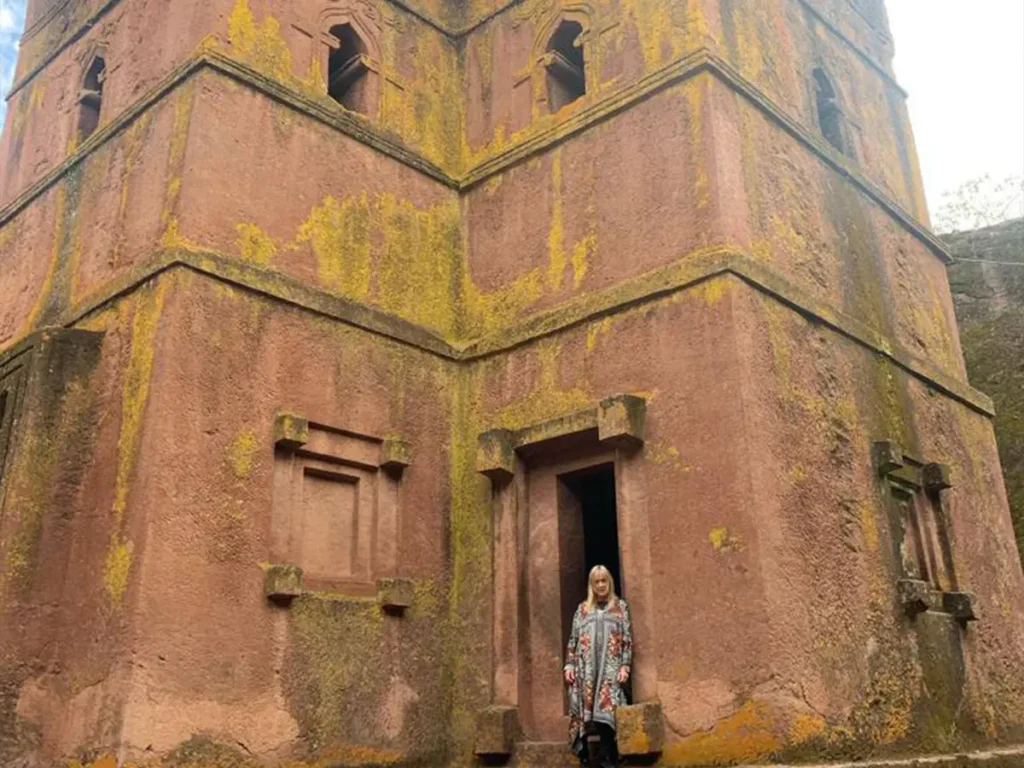
Lalibela
Ancient churches carved into rock and living spiritual traditions.

Omo Valley
Meet indigenous communities and experience their daily life.

Danakil Depression
Otherworldly landscapes. salt flats and volcanic terrain.
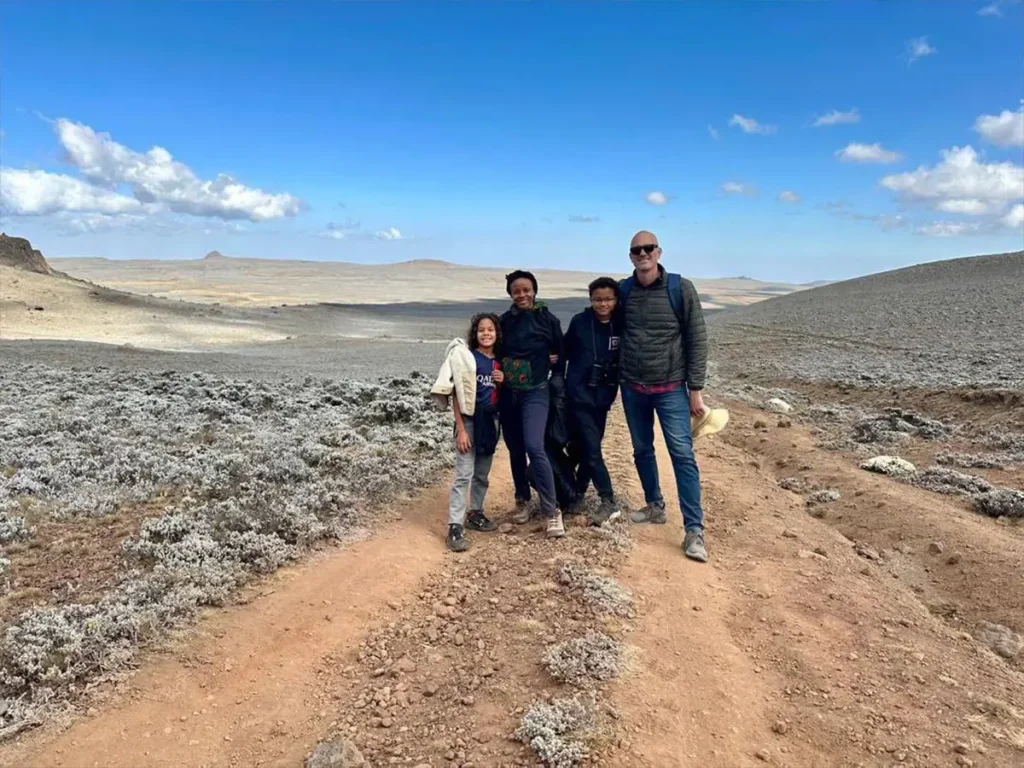
Ethiopia is not one journey. It is history, culture, wilderness and living tradition woven together.
First Time in Ethiopia?
For travelers who want history, culture and spectacular scenery in one journey. our combination tours connect several of Ethiopia’s most rewarding destinations.