
Discover the extraordinary cultural heritage of southern Ethiopia with local travel experts.
Far from the busy streets of Addis Ababa, where the Ethiopian highlands gradually give way to sweeping savannah landscapes, lies one of Africa’s most culturally fascinating regions: the Omo Valley.
Here, the rhythm of daily life is shaped by cattle herding, farming, traditional markets, family gatherings, and customs passed down through generations.
On market days, people from surrounding villages travel along dusty roads to exchange livestock, agricultural products, clothing, and household goods. In rural communities, visitors may encounter traditional craftsmanship, distinctive hairstyles, colorful ornaments, and ways of life deeply connected to the surrounding environment.
For travelers seeking authentic cultural experiences, the Omo Valley offers an extraordinary opportunity to discover the diversity of southern Ethiopia.
Yet the region is much more than a collection of traditional villages.
It is home to communities with their own languages, histories, social structures, beliefs, and contemporary experiences.
At Liyu Ethiopia Tours, an Ethiopian-owned tour operator based in Addis Ababa, we believe the most meaningful journeys are those that encourage understanding and genuine cultural exchange.
This comprehensive guide introduces the Omo Valley’s communities, traditional market days, cultural ceremonies, accommodation options, domestic flights, and suggested itineraries.
Whether you are considering a short three-day cultural experience or a longer journey through southern Ethiopia, this guide will help you understand what makes the region special and how to plan responsibly.
Popular destinations associated with cultural tourism include:
The distances between these places can be substantial, making careful itinerary planning essential.
One of the most remarkable aspects of southern Ethiopia is its cultural diversity.
Visitors may encounter communities whose traditions, languages, artistic practices, and social customs differ considerably.
Although the phrase “Omo Valley tribes” is widely used in international travel searches, we prefer to describe these groups as communities or peoples, recognizing that their identities extend beyond the cultural practices commonly associated with tourism.
The Hamar are among the best-known communities of southern Ethiopia.
Many Hamar families have traditionally depended on cattle herding and agriculture.
Cattle hold significant economic, social, and cultural importance.
The community is also known for distinctive hairstyles, beadwork, ornaments, and traditional clothing.
Some Hamar women prepare their hair using butterfat and red ochre, creating a recognizable reddish appearance.
Visitors exploring the Turmi area may have opportunities to learn about these traditions through respectful community visits.
One of the most fascinating traditions associated with the Hamar is the bull-jumping ceremony, locally known as Ukuli Bula.
This ceremony is an important rite of passage associated with a young man’s transition into adulthood and eligibility for marriage.
It is a major social event that brings together relatives, friends, and members of the wider community.
What Happens During the Ceremony?
The celebration may begin with singing, dancing, and ceremonial activities.
Family members and community participants gather to support the young man undertaking the rite.
During the central part of the ceremony, several cattle are positioned closely together.
The participant attempts to run across their backs, demonstrating his ability to complete the traditional challenge.
The ceremony can also involve ritual whipping of female relatives, a practice that some visitors may find distressing. Travelers should be informed about this aspect in advance and may choose not to attend.
Can Tourists Attend the Bull-Jumping Ceremony?
Visitors may sometimes attend with the permission of the host community.
However, bull-jumping ceremonies are not held according to a fixed tourist schedule.
Their availability depends entirely on local community arrangements.
At Liyu Ethiopia Tours, we can inquire about ceremonies taking place during a visitor’s stay.
If a ceremony is available, community permission is granted, and travel conditions permit, we may adjust the itinerary accordingly.
Important: Bull-jumping ceremonies cannot be guaranteed and should never be staged or pressured for tourism purposes.
The Mursi are one of the most internationally recognized communities of the Lower Omo region.
They are often associated with the distinctive lip plates worn by some women.
However, Mursi culture encompasses much more than this single tradition.
The community has a rich heritage connected to pastoralism, agriculture, family relationships, and adaptation to the environment.
Among some Mursi women, lip plates are a form of personal adornment associated with cultural identity.
The practice varies between individuals and generations, and not all Mursi women wear them.
Visitors should approach the tradition respectfully and avoid treating individuals as photographic attractions.
Traditionally, many Omo Valley itineraries included visits to Mursi settlements accessed through Mago National Park.
However, according to Liyu Ethiopia Tours’ recent local operational information, Mago National Park has been closed to tourist visits following intercommunity conflict.
For this reason, our company is not currently arranging excursions inside the park.
A newer Mursi settlement near Key Afer may provide an alternative opportunity for cultural interaction.
Visitors may learn about Mursi traditions, community life, and cultural identity without entering Mago National Park.
All visits require appropriate community consent and verification of current security and access conditions.
Liyu Ethiopia Tours Update: We continue to follow developments affecting Mago National Park and will update our itineraries when reliable information confirms that conditions and access arrangements have changed.
Editorial note: The park closure and alternative settlement information reflect local operational reports and should be reconfirmed before publication or booking.
The Karo are a relatively small community living near the Omo River.
They are particularly recognized for artistic body-painting traditions.
Using natural pigments, including white chalk and colored earth, individuals may create decorative patterns on their bodies.
These designs can be associated with social occasions, cultural traditions, and personal expression.
Korcho is one of the Karo settlements commonly included in cultural itineraries.
Its location near the Omo River provides impressive views of the surrounding landscape.
A visit can offer opportunities to learn about local traditions, agricultural practices, and the community’s relationship with the river.
Visitors should request permission before photographing individuals and follow community guidance.
The Dassanech live in southern Ethiopia, particularly around the lower Omo River and Lake Turkana.
Their livelihoods have traditionally included pastoralism, agriculture, and fishing.
The river and surrounding environment play important roles in everyday life.
Omorate is commonly used as a starting point for cultural visits to nearby Dassanech settlements.
Depending on local arrangements, travel may involve crossing the Omo River.
Visitors may learn about traditional housing, family life, livestock, and the community’s relationship with its environment.
As with all cultural visits, arrangements should be made respectfully and with community permission.
The Bena, also written Benna, are another culturally distinctive community of southern Ethiopia.
They maintain their own social traditions, agricultural practices, and forms of cultural expression.
Visitors may encounter Bena community members around Key Afer and along routes between Turmi and Jinka.
Some visitors are particularly interested in seeing young Bena boys demonstrate their ability to walk on wooden stilts.
This skill has become a recognizable subject in photographs of southern Ethiopia.
However, any interaction or photography should be voluntary and respectful.
Children should never be pressured to pose or perform for tourists.
With appropriate consent, travelers may have an opportunity to learn about the practice and its place in local life.
Traditional markets are among the most fascinating experiences in the Omo Valley.
They are not simply places to buy and sell goods.
They are important social gathering points where people from surrounding villages exchange products, meet relatives, share information, and maintain community relationships.
For travelers interested in authentic cultural experiences, visiting a market can be one of the highlights of a journey.
| Day | Market | Location |
|---|---|---|
| Monday | Turmi Market | Turmi |
| Tuesday | Alduba Market | Alduba |
| Thursday | Key Afer Market | Key Afer |
| Saturday | Dimeka Market | Dimeka |
Market schedules are based on local information supplied by Liyu Ethiopia Tours and should be reconfirmed before departure.
Turmi is an important center for Hamar communities.
Its weekly market provides opportunities to observe local commerce and everyday social interaction.
Visitors may encounter traders selling agricultural products, household goods, and other items.
Alduba Market is a traditional gathering place for communities from surrounding areas.
Travelers interested in local culture and photography may find it particularly rewarding.
The market provides opportunities to observe trade, traditional clothing, and regional social connections.
Key Afer is one of southern Ethiopia’s best-known traditional markets.
It attracts traders and residents from neighboring communities, including the Bena.
The market offers an interesting introduction to local commerce, agricultural products, and everyday life.
For visitors arriving in Jinka on a Thursday, Key Afer can be a convenient stop when traveling toward Turmi.
Dimeka Market is particularly associated with the Hamar community.
It is an important trading and social gathering place.
Visitors may observe livestock trading, local products, and community interactions.
Local Expert Tip: If experiencing traditional markets is a priority, arrange your itinerary around the market days rather than expecting markets to operate every day.
Beyond its cultural communities, southern Ethiopia offers beautiful landscapes, historical sites, and fascinating natural attractions.
Jinka
Jinka is an important regional town and a convenient gateway to cultural destinations.
It also serves as a useful starting or finishing point for shorter Omo Valley tours.
Turmi
Turmi is a popular base for exploring Hamar communities and nearby cultural attractions.
Its location makes it convenient for journeys toward Karo settlements and Omorate.
Konso Cultural Landscape
The Konso Cultural Landscape is recognized by UNESCO for its distinctive agricultural terraces, fortified settlements, and cultural heritage.
The Konso people have developed sophisticated agricultural practices suited to the region’s challenging environment.
Visitors can learn about traditional land management and village organization.
Arba Minch
Arba Minch is known for its beautiful setting near Lakes Abaya and Chamo.
The surrounding landscapes offer scenic viewpoints and opportunities to explore southern Ethiopia’s natural environment.
Boat excursions on Lake Chamo have traditionally been popular, subject to current operating and safety conditions.
Mago National Park
Mago National Park is associated with the Lower Omo landscape and wildlife.
However, Liyu Ethiopia Tours currently excludes the park from its itineraries because of reported conflict and access restrictions.
We recommend checking official park information before considering any future visit.
Accommodation options vary between destinations.
Some properties offer resort-style facilities, while others provide simpler accommodation suited to cultural journeys.
The following hotels and lodges are among the options identified by Liyu Ethiopia Tours for itinerary planning.
Availability, operating status, standards, and prices should be confirmed before booking.
| Accommodation | Destination |
|---|---|
| Paradise Lodge | Arba Minch |
| Haile Resort | Arba Minch |
| Kuriftu Resort | Arba Minch |
| Mora Lodge | Arba Minch |
| Jinka Resort — Arba Minch Branch | Arba Minch |
Arba Minch can be a convenient overnight destination for travelers exploring southern Ethiopia.
Kanta Lodge
Kanta Lodge is an accommodation option for travelers visiting Konso and the surrounding cultural landscape.
| Accommodation | Destination |
|---|---|
| Paradise Lodge | Turmi |
| Emerald Lodge | Turmi |
| Buska Lodge | Turmi |
Turmi is an important base for cultural experiences involving Hamar communities and nearby destinations.
| Accommodation | Destination |
|---|---|
| Eco Omo Lodge | Jinka |
| NASA Hotel | Jinka |
| Jinka Resort | Jinka |
Jinka is a practical overnight location for travelers using domestic flights and exploring nearby communities.
Accommodation Note: Hotel availability, amenities, operating status, and prices may change. Liyu Ethiopia Tours confirms accommodation arrangements when preparing individual quotations.
The Omo Valley can be reached through a combination of domestic flights and road transportation.
For travelers with limited time, flying to Arba Minch or Jinka may reduce lengthy driving days.
According to the operating schedule supplied by Liyu Ethiopia Tours, flights between Addis Ababa and Arba Minch are generally scheduled daily.
However, flight times and frequencies may change.
Travelers should confirm availability for their exact dates.
The flight schedule supplied by Liyu Ethiopia Tours indicates services on the following days:
| Day | Scheduled Flight |
|---|---|
| Monday | Yes |
| Tuesday | Not listed |
| Wednesday | Yes |
| Thursday | Yes |
| Friday | Yes |
| Saturday | Not listed |
| Sunday | Sunday |
These days are for preliminary planning only and are not a verified live airline schedule.
Domestic flights should always be confirmed with Ethiopian Airlines before finalizing an itinerary.
Road travel provides opportunities to experience Ethiopia’s changing landscapes.
However, travel times can be long, and some roads may be affected by seasonal rainfall or other conditions.
Private transportation can offer flexibility, but it does not eliminate security risks.
Travelers should review current official travel advisories before planning routes through southern Ethiopia.
The ideal duration depends on your interests, available time, and preferred travel pace.
3 Days / 2 Nights
A short introduction to selected cultural destinations using domestic flights and private transportation.
This is suitable for travelers with limited time, although the itinerary can be demanding.
5 Days / 4 Nights
A more flexible cultural journey with opportunities to visit selected communities and traditional markets.
7–8 Days
A more comprehensive experience combining southern Ethiopia’s cultural destinations, landscapes, and selected markets.
10–12 Days
A longer journey for travelers interested in photography, cultural exploration, and a more relaxed pace.
All programs depend on current security conditions, transport availability, and community access.
3 Days / 2 Nights — Jinka, Key Afer, Hamar, Karo & Ari
Starting Point: Addis Ababa
Ending Point: Addis Ababa
Transportation: Domestic flights and private vehicle
Accommodation: Selected lodges and hotels
Tour Type: Private cultural tour
This short itinerary is designed for travelers who want to experience several aspects of southern Ethiopia’s cultural heritage within a limited period.
It is a proposed itinerary, subject to route safety, current official travel guidance, flight schedules, and local access.
Day 1: Fly to Jinka – Key Afer – Mursi Settlement – Turmi
Overnight: Emerald Lodge or Buska Lodge, Turmi
Begin your journey with a domestic flight from Addis Ababa to Jinka.
Upon arrival, meet your local guide and driver.
Continue toward Turmi, traveling through the landscapes of southern Ethiopia.
If your arrival falls on a Thursday, stop at the traditional Key Afer market.
Here, you may observe local commerce and interactions among neighboring communities.
Continue to the newer Mursi settlement near Key Afer, subject to community permission and verified local access conditions.
This proposed visit avoids entering Mago National Park, which Liyu Ethiopia Tours currently excludes from its programs.
Afterward, continue toward Turmi.
In the late afternoon, visit a Hamar community to learn about traditional livelihoods, cultural practices, and everyday life.
Transfer to your lodge for dinner and overnight.
Accommodation: Emerald Lodge or Buska Lodge.
Day 2: Karo Village – Optional Bull-Jumping Ceremony – Jinka
Overnight: NASA Hotel or Eco Omo Lodge, Jinka
After breakfast, depart for a half-day excursion to a Karo settlement near the Omo River.
Learn about the community’s artistic traditions, cultural identity, and relationship with the river.
Enjoy the surrounding landscape before returning toward Turmi.
If a genuine Hamar bull-jumping ceremony is taking place and attendance is permitted, there may be an opportunity to participate as a respectful observer.
The ceremony is optional and cannot be guaranteed.
In the afternoon, continue toward Jinka.
If traveling on a Saturday, stop at Dimeka Market.
Along the route, there may also be opportunities for respectful cultural interaction with Bena community members.
Any photography, particularly involving children, should be arranged with appropriate consent.
Arrive in Jinka and check into your hotel.
Accommodation: NASA Hotel or Eco Omo Lodge.
Day 3: Ari Village – Jinka Airport – Addis Ababa
After breakfast, visit an Ari community near Jinka.
Learn about traditional agriculture, food preparation, craftsmanship, and everyday rural life.
Depending on community arrangements, visitors may have opportunities to observe pottery or other local activities.
After the visit, transfer to Jinka Airport for your domestic flight back to Addis Ababa.
End of Tour.
Important Notes About This Short Itinerary
This program is relatively fast-paced.
The proposed activities depend on flight times, road conditions, community arrangements, and security.
A Thursday arrival would allow a possible visit to Key Afer Market on Day 1, but a three-day itinerary ending on Saturday would not align with the supplied Jinka flight schedule, which does not list Saturday services.
Similarly, a bull-jumping ceremony may require more time than the itinerary allows.
For these reasons, the final program should be customized according to the travel dates and confirmed transport arrangements.
For travelers who prefer a more comprehensive journey, an eight-day itinerary offers additional opportunities to explore southern Ethiopia.
| Day | Route | Main Experience |
|---|---|---|
| 1 | Addis Ababa – Arba Minch | Travel south and enjoy the landscape |
| 2 | Arba Minch – Konso | Explore the Konso Cultural Landscape |
| 3 | Konso – Turmi | Travel toward the Lower Omo region |
| 4 | Turmi | Hamar cultural experience and local activities |
| 5 | Turmi – Omorate – Turmi | Dassanech cultural visit |
| 6 | Turmi – Karo Area – Turmi | Karo community and Omo River landscape |
| 7 | Turmi – Jinka | Cultural stops and traditional markets when available |
| 8 | Jinka – Addis Ababa | Return travel |
This itinerary can be adapted to include specific weekly markets.
Actual travel arrangements must be reviewed against current security advisories, route accessibility, accommodation availability, and flight schedules.
The Omo Valley experiences warm temperatures and seasonal rainfall.
Weather patterns vary across the region, and some areas may become difficult to access during periods of heavy rain.
Drier Periods
Relatively dry conditions can make some road journeys more convenient.
Many travelers prefer periods when rainfall is less likely to disrupt transportation.
Rainy Periods
Rainfall can transform the landscape, creating greener scenery.
However, some roads may become muddy or difficult to navigate.
Planning Around Market Days
For cultural travelers, weekly market schedules can be just as important as weather.
A carefully planned itinerary may allow visitors to experience several markets.
Local Tip: Choose travel dates based on the cultural experiences you most want to enjoy, while also considering weather, flights, and current security conditions.
Responsible tourism is essential when visiting culturally diverse communities.
At Liyu Ethiopia Tours, we believe meaningful cultural experiences should be based on respect, consent, and mutual understanding.
Always Ask Before Taking Photographs
People have the right to decide whether they wish to be photographed.
Some may request an agreed payment, while others may decline.
Both choices should be respected.
Respect Local Traditions
Cultural practices may differ from those familiar to international visitors.
Approach these differences with curiosity rather than judgment.
Support Local Communities
Choose experiences that provide fair benefits to local guides, hosts, and community members.
Avoid Staged Experiences
Traditional ceremonies should take place according to community customs, not tourist demands.
Respect Children
Children should never be pressured to pose, perform, or participate in activities for visitors.
Responsible cultural tourism should protect the dignity and well-being of everyone involved.
Travel safety is an important consideration when planning an Omo Valley journey.
Conditions in southern Ethiopia vary significantly between locations and can change unexpectedly.
Some areas and routes have experienced security incidents, conflict, and travel restrictions.
International travelers should review the latest official travel advisories before making arrangements.
This is particularly important for travelers from the United States, United Kingdom, Canada, Australia, and European countries.
Visitors should assess the entire proposed route, not simply the individual communities they hope to visit.
At Liyu Ethiopia Tours, we believe that responsible travel planning includes honest communication about access and security.
If conditions are unsuitable, postponing a journey or considering another destination may be the appropriate decision.
Travel Safety Notice: This guide provides general destination information. It does not establish that any particular route is currently safe. Travelers should follow official government advice and verify local conditions before booking.
What is the Omo Valley famous for?
The Omo Valley is famous for its cultural diversity, traditional markets, remarkable landscapes, and archaeological heritage.
Which communities can travelers learn about in the Omo Valley?
The wider region includes communities such as the Hamar, Mursi, Karo, Dassanech, Bena, Ari, and others.
What days are the Omo Valley markets held?
According to Liyu Ethiopia Tours’ local schedule, Turmi Market takes place on Monday, Alduba on Tuesday, Key Afer on Thursday, and Dimeka on Saturday.
Can tourists attend a Hamar bull-jumping ceremony?
Visitors may sometimes attend with community permission. However, ceremonies do not follow a fixed tourist schedule, and attendance cannot be guaranteed.
Can visitors still see Mursi communities?
Liyu Ethiopia Tours currently excludes Mago National Park from its itineraries because of reported conflict and closure. A newer Mursi settlement near Key Afer may provide an alternative, subject to verification of safety, access, and community consent.
Can I visit the Omo Valley in three days?
A three-day tour may be possible using domestic flights and private transportation, but the itinerary is demanding and must be adapted to flight schedules and local conditions.
Which hotels are recommended in Turmi?
Accommodation options identified by Liyu Ethiopia Tours include Paradise Lodge, Emerald Lodge, and Buska Lodge.
Which hotels are recommended in Jinka?
Options include Eco Omo Lodge, NASA Hotel, and Jinka Resort.
Are there flights from Addis Ababa to Jinka?
The local planning schedule supplied by Liyu Ethiopia Tours lists flights on Monday, Wednesday, Thursday, Friday, and Sunday. Actual services must be confirmed with Ethiopian Airlines.
How much does an Omo Valley tour cost?
Prices depend on tour duration, group size, accommodation, transportation, guiding arrangements, and included activities.
Liyu Ethiopia Tours can prepare customized quotations based on individual requirements.
Is the Omo Valley suitable for photographers?
The region offers significant opportunities for landscape, documentary, and cultural photography. However, all photography involving people should be based on consent and respect.
Can Liyu Ethiopia Tours arrange private cultural tours?
Liyu Ethiopia Tours can discuss private cultural itineraries and assess suitable arrangements, subject to current travel conditions and operational feasibility.
Planning a cultural journey through southern Ethiopia requires local knowledge, careful coordination, and respect for host communities.
At Liyu Ethiopia Tours, we are passionate about introducing travelers to Ethiopia’s remarkable cultural and natural heritage.
Based in Addis Ababa, our company focuses on personalized travel experiences that reflect the interests and expectations of international visitors.
We believe a memorable journey is not measured simply by the number of destinations visited.
It is defined by meaningful experiences, cultural understanding, and thoughtful planning.
Whether you are interested in traditional markets, cultural photography, community visits, or discovering the landscapes of southern Ethiopia, we can help you explore itinerary options when conditions permit.
The Omo Valley is one of Ethiopia’s most culturally fascinating regions.
Its communities, traditions, markets, and landscapes offer opportunities to understand a remarkable part of the country’s heritage.
From the weekly gatherings at Key Afer and Dimeka to the artistic traditions of the Karo and the cultural ceremonies of the Hamar, the region has much to teach visitors who approach it with curiosity and respect.
But the most rewarding travel experiences go beyond photographs.
They come from listening to local people, understanding their traditions, and recognizing the importance of their everyday lives.
At Liyu Ethiopia Tours, we believe that responsible tourism should create meaningful connections between travelers and the communities they visit.
When travel conditions permit, we look forward to helping visitors discover the extraordinary cultural heritage of southern Ethiopia.
Shared transport and accommodation reduce costs.
Gain deeper cultural insights from experienced guides.
Guided tours are especially helpful in remote regions.
Meet like-minded travelers and share lasting memories.
Visit UNESCO sites, communities and hidden places.
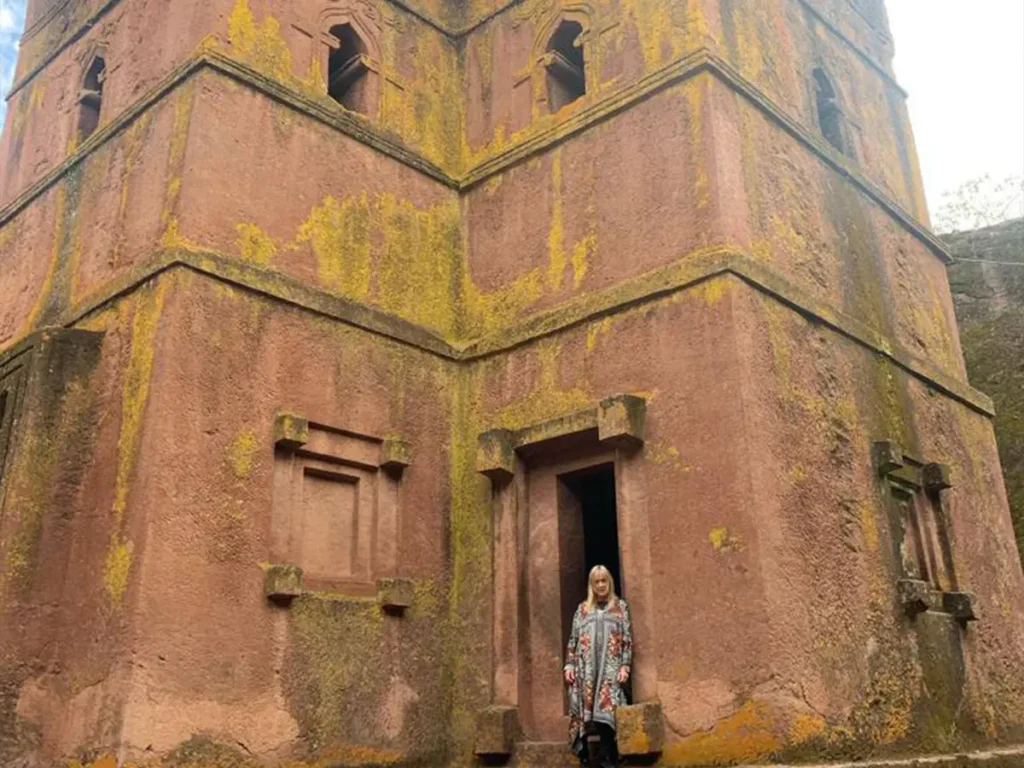
Ancient churches carved into rock and living spiritual traditions.

Meet indigenous communities and experience their daily life.

Otherworldly landscapes. salt flats and volcanic terrain.
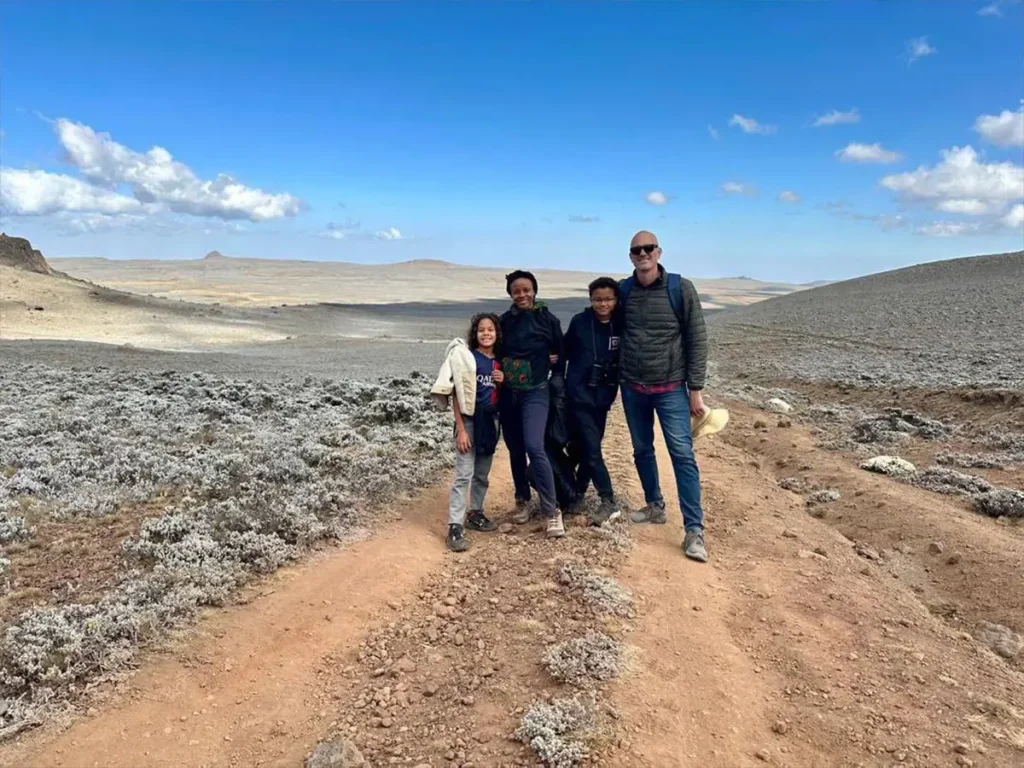
Ethiopia is not one journey. It is history, culture, wilderness and living tradition woven together.
For travelers who want history, culture and spectacular scenery in one journey. our combination tours connect several of Ethiopia’s most rewarding destinations.
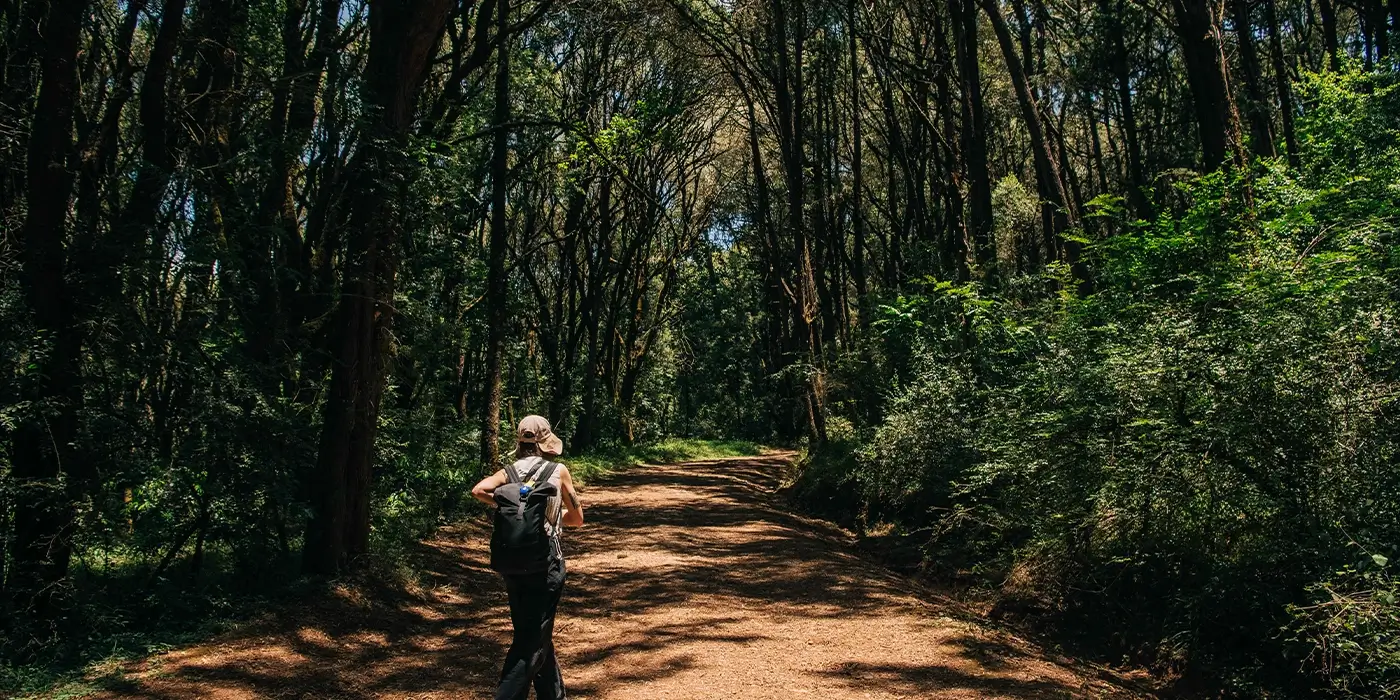
Wenchi Crater Lake is in Ethiopia’s Oromia Region, approximately 150–160 kilometres west of Addis Ababa, depending on the route and access point.
Yes. Wenchi is a popular day-trip destination from Addis Ababa. An early start is recommended because the journey and activities at the crater can take most of the day.
Popular activities include hiking, horseback riding, boat trips, photography, visiting the island monastery, and exploring selected trails toward waterfalls and hot springs. Availability depends on local conditions.
The usual route from the crater rim involves a descent on foot or by horseback. Access arrangements may vary, so confirm the route and available transport options with your local guide.
October to February is generally a good period for hiking and outdoor activities because conditions are often drier. However, weather varies, so check the forecast before travelling.
Families may enjoy the scenery and boat trip, but the steep paths and return climb can be challenging for young children or visitors with limited mobility. Discuss your group’s needs with the tour operator before booking.
You can visit the Wenchi Crater Lake Day Trip page on Liyu Ethiopia Tours to review the tour details and enquire about arrangements.
Liyu Ethiopia Tours
Typically replies within minutes
Any questions related to Omo Valley Ethiopia: The Ultimate Travel Guide to Cultures, Traditional Markets, Villages & Authentic Experiences?
WhatsApp Us
🟢 Online | Privacy policy
WhatsApp us