
Wait, we’re doing this again?
The question I get almost every time I sit a guest down for their first coffee ceremony: “Wait, we’re doing this again?” It’s usually asked somewhere around the second cup, half-joking, halfgenuinely confused about why nobody’s gotten up yet.
Here’s the thing I try to explain before we even start: if you came for a quick caffeine fix, you picked the wrong country. This isn’t really about the coffee. It’s about the time you’re agreeing to spend with the people around you.
A proper coffee ceremony, what we call buna, doesn’t begin with a cup, it begins with green beans and an open flame. The host roasts the raw coffee beans right in front of you in a small pan, and as the smoke and aroma fill the room, that’s already part of the ritual, not just a preparation step. In many homes, incense burns alongside it too, meant to clear the space before
anyone drinks.
Once the beans are roasted, they’re ground by hand using a wooden mortar and pestle, then brewed in a clay pot called a jebena. Nothing about this process is built for speed. I tell guests: the slowness is the point, not a delay before the point.
Ethiopia’s coffee culture is best experienced firsthand, and our Ethiopia Coffee Tours offer travelers the opportunity to discover the country’s coffee-growing regions, traditions, and local communities.
Here’s what surprises most visitors: it’s not one pot of coffee, poured and done. Tradition calls for three separate rounds, each poured from the same grounds with water added again between rounds, and each one has its own name and its own meaning.
Abol, the first round, is the strongest. This is the welcome the moment the host formally invites everyone into connection, and the guest accepts that invitation by drinking.
Tona, the second round, is a little softer. By now the conversation has usually opened up. This round is about deepening whatever’s already started at the table.
Baraka, the third and final round, is the weakest of the three, but it carries the most weight symbolically. The word itself means “to be blessed.” It’s less about the coffee at this point and more about closing the gathering with goodwill.
I’ve had guests ask if they can politely skip the third round because they’re full or caffeinated out. I always tell them the same thing: you can, but understand that in a Ethiopian home, declining is read as declining the relationship being offered, not just the drink. Most people, once they understand that, stay for all three.
For travelers looking to go deeper into Ethiopia’s coffee heritage, the 6-Day Sidama & Yirgacheffe Coffee & Culture Tour from Addis Ababa provides an opportunity to explore two of the country’s renowned coffee regions while experiencing local culture and traditional coffee traditions.
One detail I love pointing out: the snack that traditionally accompanies the ceremony isn’t sweet. It’s popcorn, sometimes roasted barley or peanuts, served plain alongside the coffee. Guests expecting little cakes or biscuits are usually thrown off the first time. It’s a small detail, but it says something about what this ritual actually values simplicity and time together, not a display of food.
Traditionally, it’s the woman of the household who conducts the ceremony, and it’s treated as an honor, not a chore. She roasts, grinds, brews, and pours for every round, seated on the floor with fresh grass and flowers laid out beneath the setup. On special occasions, like around the Meskel holiday, that grass is decorated even further.
Watching someone perform this for you the first time, guests often go quiet. It’s a level of hospitality that doesn’t really have a direct equivalent back home for most of them someone dedicating the better part of an hour, uninterrupted, to making sure you feel welcomed.
What I try to get across is that this isn’t a ceremony reserved for tourists or special occasions. Ethiopian households do a version of this daily, sometimes more than once, as a normal part of visiting relatives or neighbors.
Travelers who want to experience this coffee culture while exploring one of Ethiopia’s important coffee-growing areas can join our 3-Day Yirgalem Coffee Tour, which combines coffee experiences with the landscapes and culture of southern Ethiopia.
It’s less an event you attend and more a rhythm that structures how people here actually spend time together.
So when I tell guests we’re doing a coffee ceremony, I’m not offering them a drink. I’m offering them an hour of being genuinely, unhurriedly included in something. That’s the part that tends to stick with people long after the caffeine wears off.
If you’re interested in discovering more of Ethiopia’s coffee culture, explore our Ethiopia Coffee Tours to find journeys through some of the country’s most famous coffee-growing regions.
Yehun Ejigu Entele is the founder and Managing Director of Liyu Ethiopia Tours. Born and raised in Addis Ababa, he studied tour operations, guiding, and tourism management before starting his career in the travel industry as a local guide. Learn more at liyuethiopiatours.com.
An Ethiopian coffee ceremony, locally known as buna, is a traditional hospitality ritual in which green coffee beans are roasted, ground, brewed in a clay jebena, and served in three rounds. The ceremony is about much more than drinking coffee—it is a way of welcoming guests, sharing conversation, and strengthening relationships.
The three traditional rounds are Abol, Tona, and Baraka. Abol is the first and strongest round, Tona is the second and generally milder, and Baraka is the third and final round. Baraka means “blessing” and traditionally represents the closing of the gathering with goodwill.
The Ethiopian coffee ceremony is an important part of Ethiopian hospitality and social life. It gives family members, neighbors, friends, and visitors time to sit together, talk, and build relationships. The experience emphasizes connection and hospitality rather than simply drinking coffee.
Ethiopia is famous for its coffee-growing regions, including Yirgacheffe and Sidama. These areas are known for producing high-quality Arabica coffee with distinctive flavors and aromas. Visiting these regions allows travelers to experience both Ethiopian coffee production and the culture surrounding coffee.
Buna is the Amharic word for coffee. In Ethiopia, coffee is closely connected to hospitality and social interaction, so buna can represent more than the beverage itself. Sharing buna is often an opportunity to welcome guests and spend meaningful time together.
A jebena is a traditional Ethiopian clay coffee pot used to brew coffee during a coffee ceremony. After the green beans are roasted and ground, the coffee is brewed in the jebena before being poured into small cups for guests.
Popcorn is one of the traditional snacks commonly served during an Ethiopian coffee ceremony. Depending on the household and occasion, roasted barley, peanuts, or other simple snacks may also be offered. The emphasis is on hospitality and conversation rather than elaborate food.
Yes. Travelers can experience traditional Ethiopian coffee ceremonies during cultural and coffee-focused tours. A local ceremony gives visitors the opportunity to learn about Ethiopian hospitality, coffee traditions, preparation methods, and the cultural importance of buna.
Yes. Coffee tours can take travelers from Addis Ababa into some of Ethiopia’s best-known coffee-growing areas. Liyu Ethiopia Tours offers coffee-focused itineraries including the 3-Day Yirgalem Coffee Tour and the 6-Day Sidama & Yirgacheffe Coffee & Culture Tour from Addis Ababa.
An Ethiopian coffee tour can include visits to coffee-growing regions, opportunities to learn about traditional coffee production, local cultural experiences, traditional coffee ceremonies, and interaction with local communities. The activities depend on the specific tour itinerary.
Ethiopian coffee is known for the variety of flavors produced by different growing regions. Yirgacheffe coffees are often associated with floral, citrus, and tea-like characteristics, while coffees from other Ethiopian regions can have different flavor profiles. The traditional Ethiopian coffee ceremony also makes the experience distinctive.
A traditional Ethiopian coffee ceremony is intentionally unhurried and can take around an hour or more, depending on the setting and conversation. The preparation, roasting, grinding, brewing, and three rounds of coffee are all part of the experience.
Shared transport and accommodation reduce costs.
Gain deeper cultural insights from experienced guides.
Guided tours are especially helpful in remote regions.
Meet like-minded travelers and share lasting memories.
Visit UNESCO sites, communities and hidden places.
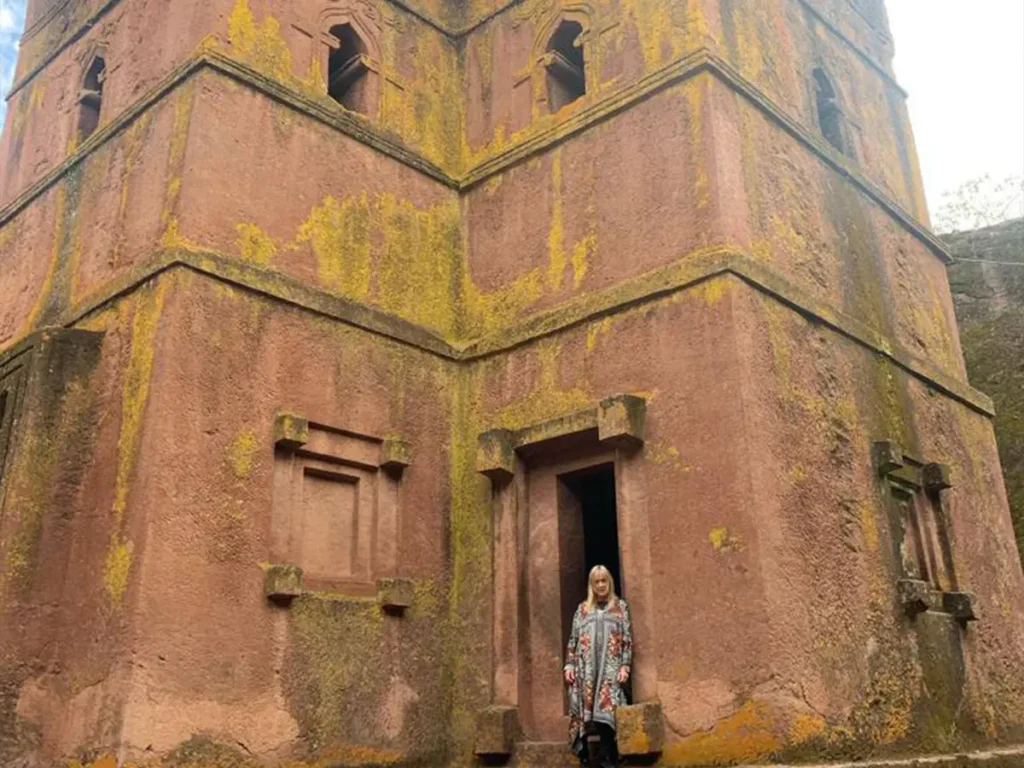
Ancient churches carved into rock and living spiritual traditions.
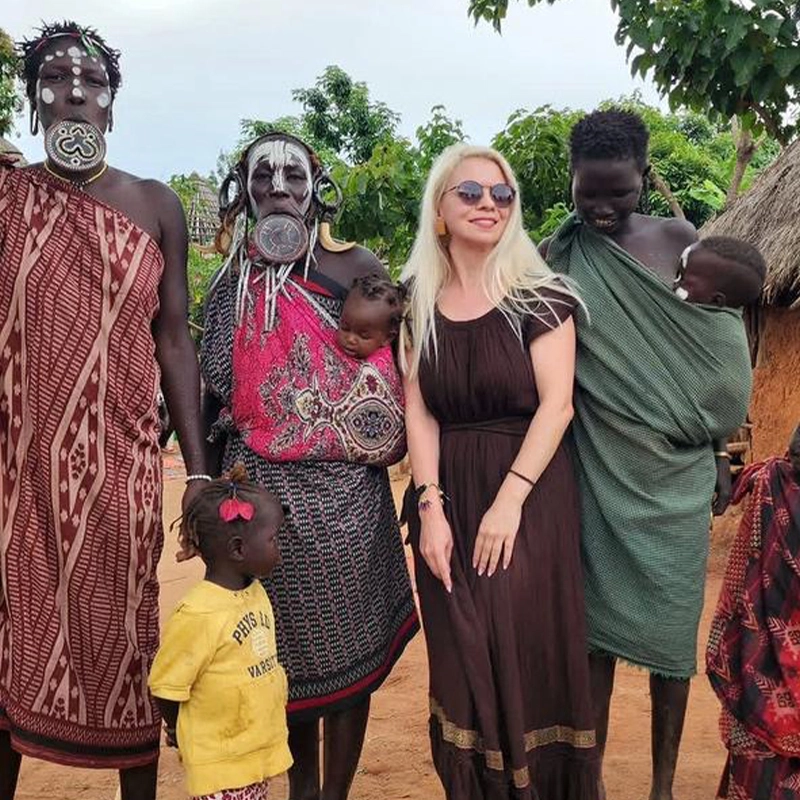
Meet indigenous communities and experience their daily life.

Otherworldly landscapes. salt flats and volcanic terrain.
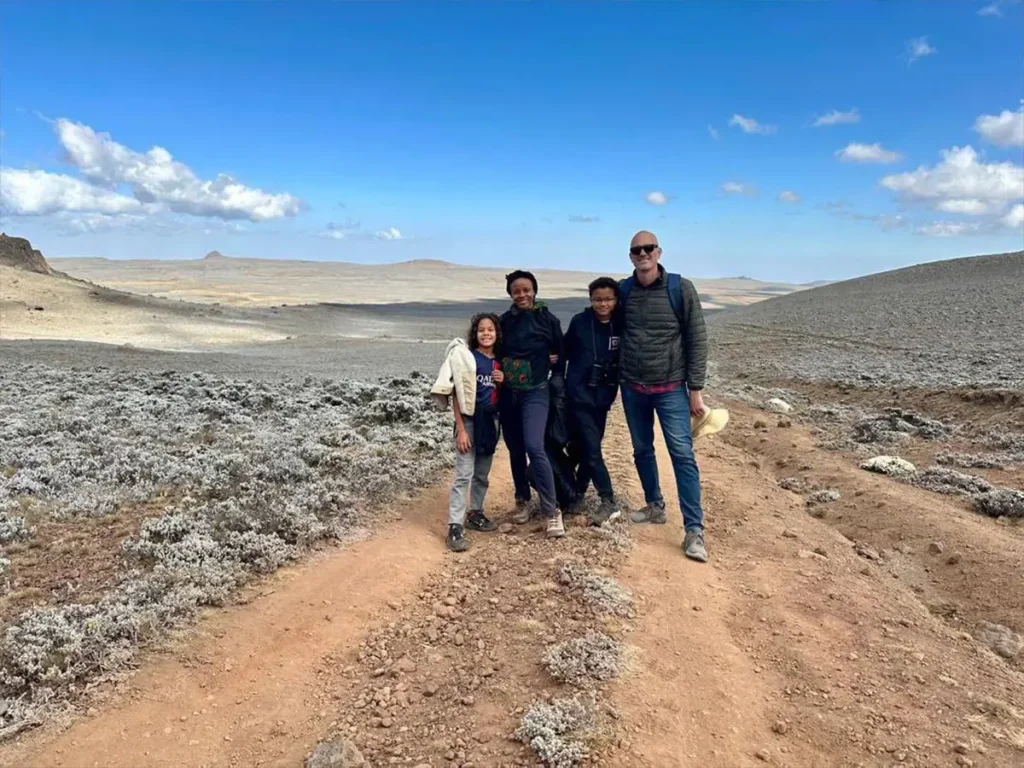
Ethiopia is not one journey. It is history, culture, wilderness and living tradition woven together.
For travelers who want history, culture and spectacular scenery in one journey. our combination tours connect several of Ethiopia’s most rewarding destinations.

Liyu Ethiopia Tours
Typically replies within minutes
Any questions related to Why Ethiopians Serve Coffee Three Times:The Meaning Behind the Coffee Ceremony?
WhatsApp Us
🟢 Online | Privacy policy
WhatsApp us