LIYU ETHIOPIA TOURS | ADDIS ABABA

Ethiopian Cooking Class: A Hands-On Culinary Journey in Addis Ababa

Ethiopian cuisine is one of Africa’s most unique and flavorful culinary traditions

By Liyu Ethiopia Tours

Travel Guide
SHARE

Ethiopian cuisine is one of Africa’s most unique and flavorful culinary traditions. Rich in spices, fresh ingredients, and centuries-old cooking techniques, it reflects the country’s diverse cultures and warm hospitality. If you’re visiting Ethiopia, joining an Ethiopian cooking class is one of the best ways to experience the country’s heritage beyond sightseeing. Whether you’re a food lover, traveler, or home chef, a cooking class offers a memorable hands-on experience that allows you to prepare authentic Ethiopian dishes under the guidance of local experts.

Why Take an Ethiopian Cooking Class?

Food is an important part of Ethiopian culture. Meals are often shared with family and friends from a large communal platter, symbolizing togetherness and hospitality.

During a cooking class, you’ll learn:

  • Traditional Ethiopian cooking techniques
  • The history behind famous Ethiopian dishes
  • How Ethiopian spices create distinctive flavors
  • The cultural significance of sharing meals
  • The art of making Ethiopia’s famous coffee

It’s much more than learning recipes—it’s an immersion into Ethiopian culture.

Start with a Visit to the Local Market

Many cooking classes begin with a guided visit to a traditional market in Addis Ababa.

Here you’ll discover:

  • Fresh vegetables
  • Ethiopian herbs
  • Berbere spice
  • Mitmita spice
  • Lentils and chickpeas
  • Traditional Ethiopian butter (Niter Kibbeh)
  • Coffee beans
  • Local grains used for Injera

Your instructor explains how each ingredient contributes to authentic Ethiopian cuisine.

Learn to Make Ethiopia's Famous Injera

No Ethiopian meal is complete without Injera.

This soft, slightly sour flatbread is made from teff flour, one of Ethiopia’s most important grains. During the class, you’ll learn:

  • Preparing teff batter
  • Natural fermentation process
  • Cooking Injera on a traditional griddle
  • Creating the signature bubbly texture

Mastering Injera is often the highlight of the cooking experience.

Prepare Traditional Ethiopian Dishes

Doro Wat

Ethiopia’s national dish, Doro Wat, is a slow-cooked chicken stew prepared with:

  • Berbere spice
  • Caramelized onions
  • Garlic
  • Ginger
  • Niter Kibbeh
  • Boiled eggs

Its rich flavor develops through hours of careful cooking.

Shiro Wat

A delicious vegetarian stew made from chickpea flour blended with spices and herbs.

Shiro is popular throughout Ethiopia and is commonly enjoyed during fasting periods.

Tibs

Depending on your class, you may also prepare Tibs—sautéed beef or lamb cooked with onions, peppers, rosemary, and spices.

Misir Wat

A flavorful lentil stew prepared using:

  • Red lentils
  • Berbere spice
  • Garlic
  • Tomatoes
  • Onions

It’s nutritious, spicy, and perfect with fresh Injera.

Gomen

A healthy side dish made from collard greens sautéed with onions, garlic, and Ethiopian butter.

Experience the Ethiopian Coffee Ceremony

No Ethiopian culinary experience is complete without the traditional coffee ceremony.

As the birthplace of coffee, Ethiopia has elevated coffee preparation into an important cultural tradition.

You’ll witness:

  • Roasting green coffee beans
  • Grinding them by hand
  • Brewing coffee in a traditional clay pot called a Jebena
  • Serving coffee in three ceremonial rounds

The ceremony represents friendship, respect, and community.

Vegetarian-Friendly Cuisine

Ethiopia offers one of the world’s best vegetarian cuisines.

Popular vegetarian dishes include:

  • Shiro Wat
  • Misir Wat
  • Gomen
  • Atakilt Wat
  • Kik Alicha

These dishes are rich in flavor and naturally suitable for many vegetarian diets.

Perfect for Every Traveler

An Ethiopian cooking class is ideal for:

  • Solo travelers
  • Couples
  • Families
  • Food enthusiasts
  • Cultural explorers
  • Small groups
  • Photography lovers

No previous cooking experience is required.

What You'll Take Home

Besides enjoying a delicious meal, you’ll leave with:

  • Authentic Ethiopian recipes
  • Knowledge of traditional spices
  • Cooking techniques you can recreate at home
  • Appreciation for Ethiopian hospitality
  • Wonderful travel memories

Tips Before Your Cooking Class

  • Wear comfortable clothing.
  • Inform your host of dietary restrictions.
  • Bring a camera for photos.
  • Come hungry—you’ll enjoy plenty of food.
  • Be ready to learn and participate.

Book Your Ethiopian Cooking Experience

An Ethiopian cooking class offers far more than a meal—it provides a genuine cultural experience that connects you with Ethiopia’s traditions, people, and flavors. From shopping in local markets to preparing authentic dishes and participating in the famous coffee ceremony, every moment creates lasting memories.

If you’re looking for one of the most authentic things to do in Addis Ababa, an Ethiopian cooking class should be at the top of your itinerary.

Frequently Asked Questions

What dishes will I learn to cook?

Most classes include Injera, Doro Wat, Shiro Wat, Misir Wat, Gomen, and traditional Ethiopian coffee.

Is the cooking class suitable for beginners?

Yes. Local chefs guide you through every step, making it suitable for all skill levels.

Are vegetarian options available?

Absolutely. Ethiopian cuisine is famous for its wide variety of vegetarian and vegan dishes.

How long does the cooking class last?

Most experiences last between 3 and 5 hours, depending on whether a market visit and coffee ceremony are included.

Can children participate?

Yes, many cooking classes are family-friendly and suitable for children with adult supervision.

Why Travel Ethiopia in a Small Group?

Better Value

Shared transport and accommodation reduce costs.

Expert Local Guides

Gain deeper cultural insights from experienced guides.

Safer Travel

Guided tours are especially helpful in remote regions.

Meaningful Connections

Meet like-minded travelers and share lasting memories.

ic_fluent_people_community_28_regularCreated with Sketch.

Cultural Access

Visit UNESCO sites, communities and hidden places.

Where Will Your Journey Take You?

Visitors at the entrance of Bet Giorgis rock-hewn church in Lalibela Ethiopia

Lalibela

Ancient churches carved into rock and living spiritual traditions.

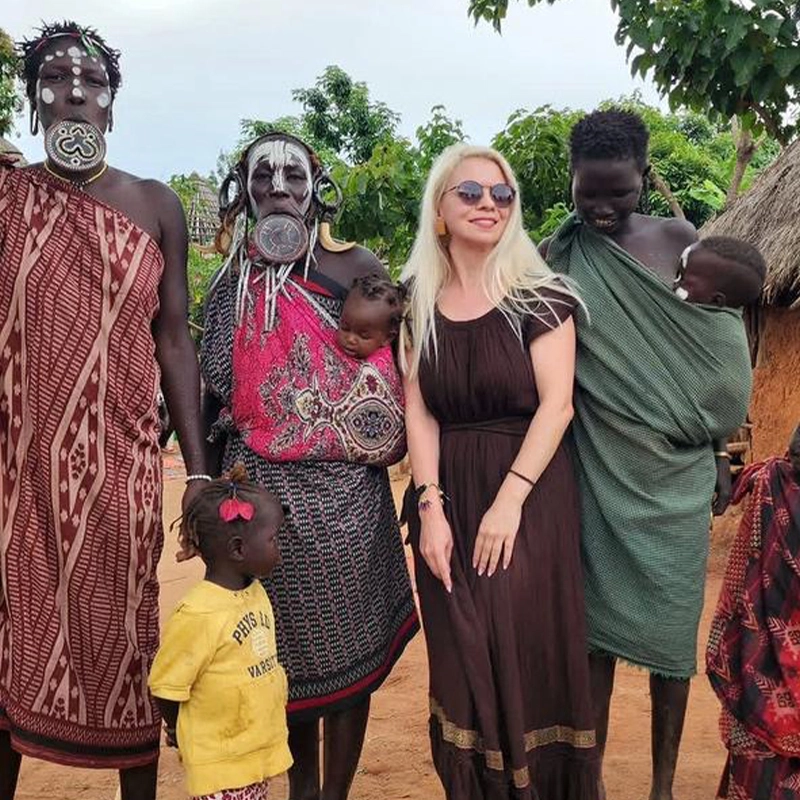
Tourists exploring Omo Valley cultural villages

Omo Valley

Meet indigenous communities and experience their daily life.

Travelers exploring the Danakil Depression at night in Ethiopia

Danakil Depression

Otherworldly landscapes. salt flats and volcanic terrain.

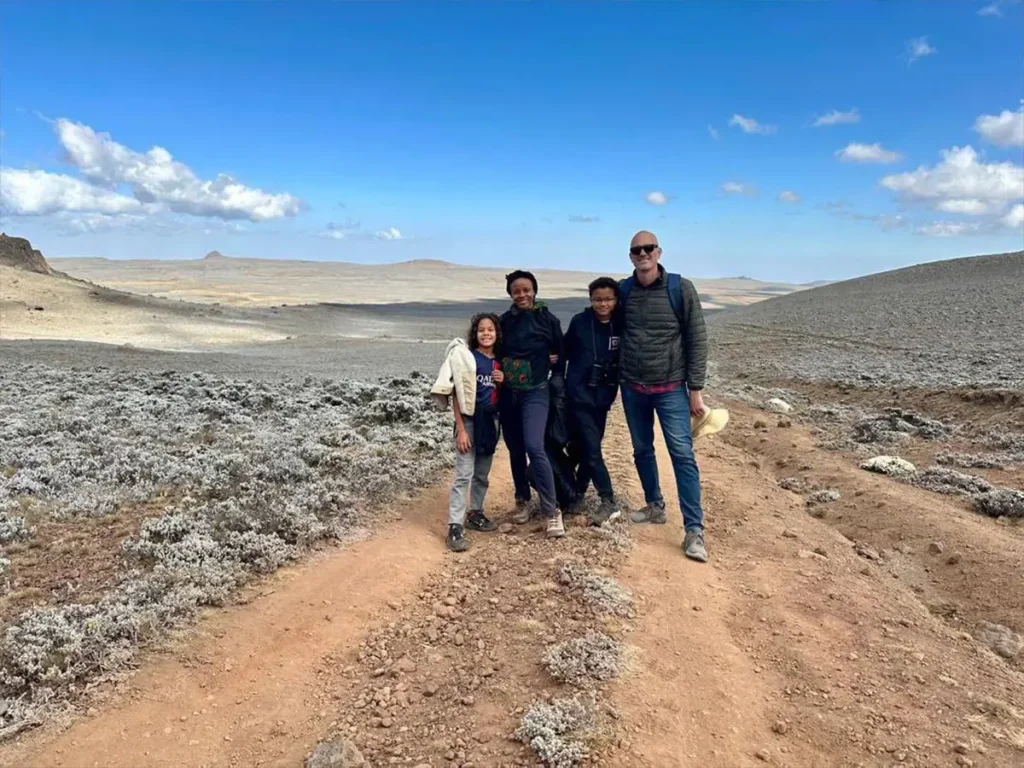
Family exploring the open plains of the Bale Mountains Ethiopia

Bale Mountains

Alpine scenery, rare wildlife and superb birding.

Ethiopia is not one journey. It is history, culture, wilderness and living tradition woven together.

Editor's Pick

First Time in Ethiopia?

For travelers who want history, culture and spectacular scenery in one journey. our combination tours connect several of Ethiopia’s most rewarding destinations.

16-Day Ethiopia Grand Cultural, Wildlife & Community Experience Tour
Call Now Button