
The Secret History of Piazza
Wait, why does this part of Addis look Italian?
Every guest I walk through Piazza Addis Ababa asks me some version of the same question within about five minutes: “Wait, why does this part of Addis look Italian?”
It’s a fair question, and it’s one of my favorite ones to answer, because the honest story of this neighborhood is a lot more complicated and more Ethiopian than the architecture alone would suggest.
It Didn't Start Italian
People assume Piazza’s history begins with the Italians, but it doesn’t. This is actually one of the oldest neighborhoods in the entire city, founded not long after Emperor Menelik II established Addis Ababa itself in 1886. Long before anyone here spoke a word of Italian, Piazza was already a working trade district merchants, settlers, and goods moving through from different corners of the country, right from the start.
I like pointing this out early, because it reframes everything else. Piazza wasn’t a blank space the Italians built on top of. It was already the commercial heartbeat of the city.
Five Years That Changed the Skyline
Everything visually distinctive about Piazza today traces back to a surprisingly short window: the Italian occupation, from 1936 to 1941. During that period, Italian planners and administrators pushed hard to remake Addis Ababa’s center in their own image, and Piazza took the brunt of it older parts of the traditional cityscape were cleared to make room for Art Deco-influenced government buildings, barracks, and residential blocks.
The building that now houses Castelli’s, one of the city’s oldest Italian restaurants, actually served as the local headquarters of the Italian Fascist Party during that time. Guests are usually startled to learn that the same street corner where Italians once gathered to listen to broadcasts from Rome is now lined with jewelry shops and coffeehouses that feel entirely, unmistakably Ethiopian.
Five years isn’t very long in the life of a city. But it was long enough to leave behind facades, arched windows, and street proportions that still don’t look like anywhere else in Addis and Ethiopians simply absorbed all of it into something of their own afterward.
What Piazza Became After
Once the occupation ended in 1941, the buildings stayed, but the meaning of the neighborhood shifted entirely back into Ethiopian hands. By the middle of the twentieth century, Piazza had turned into one of the city’s great cultural hubs cafés, cinemas, shops, and eventually the same nightlife scene I talk about on our evening tours. Landmarks like the Taitu Hotel, the country’s oldest, and the old Cinema Impero are still standing reminders of that era, and both are usually stops on the walking route I take guests through.
What I find most interesting is that the buildings are Italian, but almost nothing about how the neighborhood actually functions is. The goldsmiths and silversmiths that Piazza is famous for today, the narrow shopfronts selling spices and textiles, the constant flow of people at all hours that’s Ethiopian commercial culture layered right on top of a colonial-era stage set.
Piazza Today
Piazza has been going through a wave of renovation in recent years, with new cafés, galleries, and boutiques moving into buildings that had gone quiet for decades.
Piazza is also one of the best places to experience the flavors of Addis Ababa, from traditional Ethiopian dishes and coffee to the neighborhood’s lively cafés and food spots. Explore Addis Ababa through its local flavors on our Addis Ababa Food Tour.
It’s brought real energy back to the neighborhood, though it’s also sparked the conversation you’d expect questions about who gets priced out as an old neighborhood gets polished up for a new generation.
I bring guests here specifically because it holds so many versions of the city at once: pre-colonial trade hub, wartime colonial project, mid-century cultural capital, and now a neighborhood reinventing itself again. Walking a few blocks in Piazza is a faster history lesson than most museums—and experiencing its cafés and food culture makes the story even more memorable
Next time someone tells you Addis doesn’t have “old” architecture the way European capitals do, bring them here. Then tell them the buildings are the least Ethiopian thing about the place.
About the Writer
Yehun Ejigu Entele is the founder and Managing Director of Liyu Ethiopia Tours. Born and raised in Addis Ababa, he studied tour operations, guiding, and tourism management before starting his career in the travel industry as a local guide. Learn more at liyuethiopiatours.com.
Frequently Asked Questions About Piazza Addis Ababa
What is Piazza in Addis Ababa?
Piazza is one of the oldest and most recognizable neighborhoods in Addis Ababa, Ethiopia. It has long been an important commercial and cultural district and is known for its historic buildings, shops, cafés, restaurants, and busy street life.
Why does Piazza Addis Ababa have Italian-style architecture?
Much of Piazza’s distinctive Italian-influenced architecture dates from the Italian occupation of Ethiopia between 1936 and 1941. Italian planners introduced architectural and urban changes that left a lasting visual influence on central Addis Ababa.
What can you see in Piazza Addis Ababa?
Visitors can explore historic buildings, traditional shops, jewelry stores, cafés, restaurants, and busy commercial streets. Historic landmarks associated with the area include Taitu Hotel and the former Cinema Impero.
Is Piazza Addis Ababa worth visiting?
Yes. Piazza offers a unique combination of Addis Ababa’s history, architecture, commerce, food, and everyday Ethiopian life. It is particularly interesting for travelers who want to experience the city beyond its major museums and monuments.
Can I explore Piazza as part of an Addis Ababa food tour?
Yes. Exploring Piazza through its cafés, restaurants, markets, and local food culture is a great way to experience the neighborhood. Liyu Ethiopia Tours offers an Addis Ababa Food Tour for travelers interested in discovering the city through its flavors and culinary traditions.
What is the history of Piazza Addis Ababa?
Piazza developed as an important commercial area in the early history of Addis Ababa and later underwent major architectural changes during the Italian occupation from 1936 to 1941. After liberation, the neighborhood became an important center for cafés, cinemas, shops, nightlife, and everyday commercial life in Addis Ababa.
Why Travel Ethiopia in a Small Group?
Better Value
Shared transport and accommodation reduce costs.
Expert Local Guides
Gain deeper cultural insights from experienced guides.
Safer Travel
Guided tours are especially helpful in remote regions.
Meaningful Connections
Meet like-minded travelers and share lasting memories.
Cultural Access
Visit UNESCO sites, communities and hidden places.
Where Will Your Journey Take You?
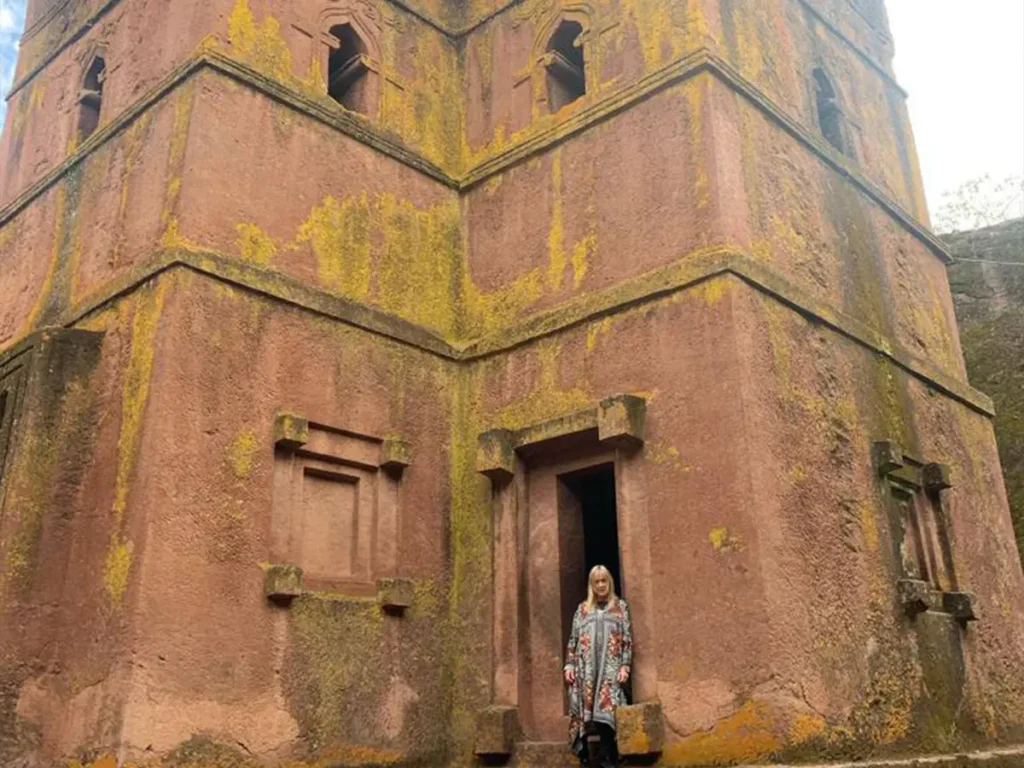
Lalibela
Ancient churches carved into rock and living spiritual traditions.

Omo Valley
Meet indigenous communities and experience their daily life.

Danakil Depression
Otherworldly landscapes. salt flats and volcanic terrain.

Ethiopia is not one journey. It is history, culture, wilderness and living tradition woven together.
First Time in Ethiopia?
For travelers who want history, culture and spectacular scenery in one journey. our combination tours connect several of Ethiopia’s most rewarding destinations.