
Meskel The History and Meaning of Ethiopia’s Bonfire Ceremony
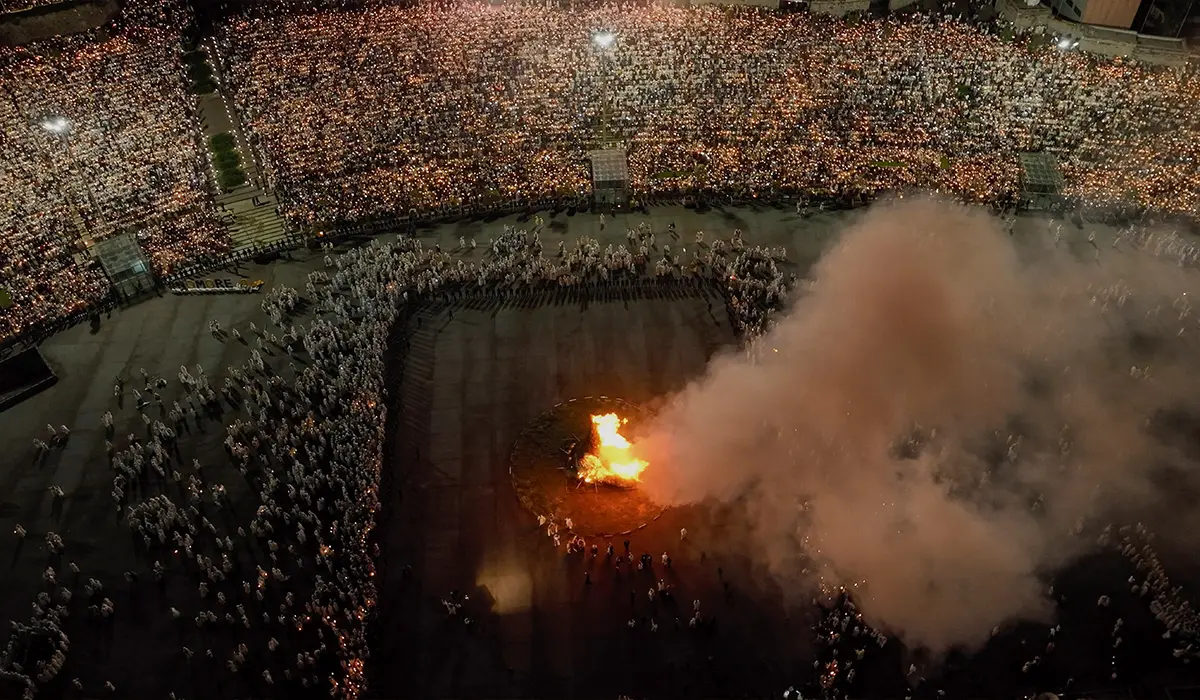
As a Demera bonfire rises against the evening sky, Meskel becomes one of Ethiopia’s most recognizable religious celebrations. Yet the fire is only understandable through the belief it represents.
Meskel is a festival of the Ethiopian Orthodox Tewahedo Church commemorating the finding of the True Cross. Its ceremonies bring a sacred story into public spaces, where worshippers gather to pray and celebrate together.
The History Behind Meskel
The word Meskel means “cross.” The festival recalls the discovery of the cross on which Christians believe Jesus was crucified, traditionally attributed to Saint Helena, the mother of Emperor Constantine, in the fourth century.
According to Orthodox tradition, Helena received guidance to light a fire, and its smoke indicated where the cross could be found. The Demera ceremony recalls this story through the lighting of a communal bonfire. This explanation belongs to religious tradition and should be understood in that context.
Why Meskel Is Celebrated
For believers, the cross holds a central place in the Christian understanding of salvation. Commemorating its finding is therefore an expression of faith, remembrance and thanksgiving.
The celebration also creates an occasion for community gathering. Preparations, worship and family visits connect the religious observance with social life. Meskel has particular importance among Gurage communities, where returning home and celebrating with relatives form a major part of the holiday.
What Happens During the Demera Ceremony
Wood and branches are arranged into a tall bonfire structure, often decorated with greenery and yellow flowers. Before it is lit, clergy and worshippers participate in prayers, chanting and processions.
Ceremonial crosses, religious garments and decorated umbrellas make the gathering visually distinctive. The lighting of the Demera becomes its central moment, giving physical form to the story remembered by the festival.
Some participants later use cooled ashes to mark a cross on their foreheads as an expression of devotion. Local practices and the scale of ceremonies vary.
When Is Meskel Observed?
Meskel falls on Meskerem 17 in the Ethiopian calendar, usually September 27 in the Gregorian calendar. The principal Demera ceremony commonly takes place on the preceding evening, September 26. In years affected by the Ethiopian leap-day shift, these dates fall one day later.
Meskel Square in Addis Ababa hosts a major public ceremony, while churches and communities elsewhere hold their own celebrations. The feast day includes worship and family gatherings.
What Makes Meskel Unique
The Demera gives Meskel an immediately recognizable form, but its importance extends beyond the size of the fire. Religious storytelling, communal preparation and public worship come together in one ceremony.
In 2013, UNESCO inscribed the commemoration on its Representative List of the Intangible Cultural Heritage of Humanity. This recognizes a living tradition maintained through the knowledge and participation of communities.
Understanding the Meaning Behind the Flames
Meskel is best understood through both its sacred meaning and its place in community life. The flames recall a religious tradition, while the gathering allows people to practice and pass on that tradition together.
For anyone witnessing the ceremony, learning its history turns a striking visual experience into a more thoughtful understanding of Ethiopian faith and heritage.
Meskel The History and Meaning of Ethiopia’s Bonfire Ceremony
Meskel is a festival of the Ethiopian Orthodox Tewahedo Church commemorating the finding of the True Cross.
As a Demera bonfire rises against the evening sky, Meskel becomes one of Ethiopia’s most recognizable religious celebrations. Yet the fire is only understandable through the belief it represents.
Meskel is a festival of the Ethiopian Orthodox Tewahedo Church commemorating the finding of the True Cross. Its ceremonies bring a sacred story into public spaces, where worshippers gather to pray and celebrate together.
The History Behind Meskel
The word Meskel means “cross.” The festival recalls the discovery of the cross on which Christians believe Jesus was crucified, traditionally attributed to Saint Helena, the mother of Emperor Constantine, in the fourth century.
According to Orthodox tradition, Helena received guidance to light a fire, and its smoke indicated where the cross could be found. The Demera ceremony recalls this story through the lighting of a communal bonfire. This explanation belongs to religious tradition and should be understood in that context.
Why Meskel Is Celebrated
For believers, the cross holds a central place in the Christian understanding of salvation. Commemorating its finding is therefore an expression of faith, remembrance and thanksgiving.
The celebration also creates an occasion for community gathering. Preparations, worship and family visits connect the religious observance with social life. Meskel has particular importance among Gurage communities, where returning home and celebrating with relatives form a major part of the holiday.
What Happens During the Demera Ceremony
Wood and branches are arranged into a tall bonfire structure, often decorated with greenery and yellow flowers. Before it is lit, clergy and worshippers participate in prayers, chanting and processions.
Ceremonial crosses, religious garments and decorated umbrellas make the gathering visually distinctive. The lighting of the Demera becomes its central moment, giving physical form to the story remembered by the festival.
Some participants later use cooled ashes to mark a cross on their foreheads as an expression of devotion. Local practices and the scale of ceremonies vary.
When Is Meskel Observed?
Meskel falls on Meskerem 17 in the Ethiopian calendar, usually September 27 in the Gregorian calendar. The principal Demera ceremony commonly takes place on the preceding evening, September 26. In years affected by the Ethiopian leap-day shift, these dates fall one day later.
Meskel Square in Addis Ababa hosts a major public ceremony, while churches and communities elsewhere hold their own celebrations. The feast day includes worship and family gatherings.
What Makes Meskel Unique
The Demera gives Meskel an immediately recognizable form, but its importance extends beyond the size of the fire. Religious storytelling, communal preparation and public worship come together in one ceremony.
In 2013, UNESCO inscribed the commemoration on its Representative List of the Intangible Cultural Heritage of Humanity. This recognizes a living tradition maintained through the knowledge and participation of communities.
Understanding the Meaning Behind the Flames
Meskel is best understood through both its sacred meaning and its place in community life. The flames recall a religious tradition, while the gathering allows people to practice and pass on that tradition together.
For anyone witnessing the ceremony, learning its history turns a striking visual experience into a more thoughtful understanding of Ethiopian faith and heritage.
Why Travel Ethiopia in a Small Group?
Better Value
Shared transport and accommodation reduce costs.
Expert Local Guides
Gain deeper cultural insights from experienced guides.
Safer Travel
Guided tours are especially helpful in remote regions.
Meaningful Connections
Meet like-minded travelers and share lasting memories.
Cultural Access
Visit UNESCO sites, communities and hidden places.
Where Will Your Journey Take You?
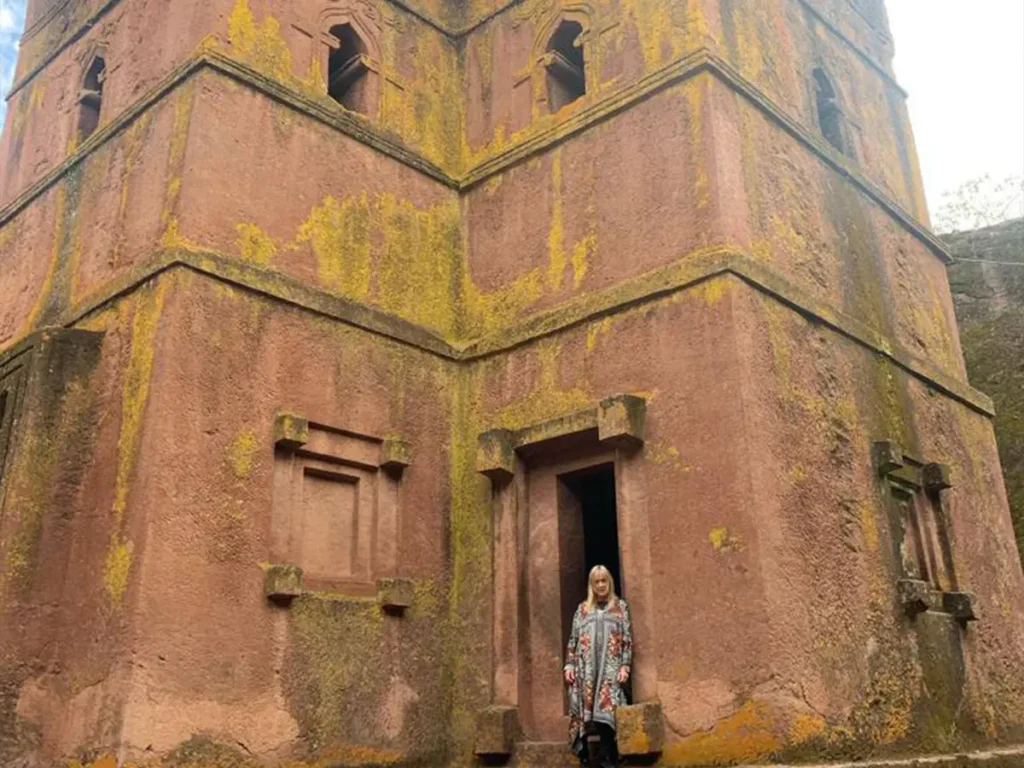
Lalibela
Ancient churches carved into rock and living spiritual traditions.
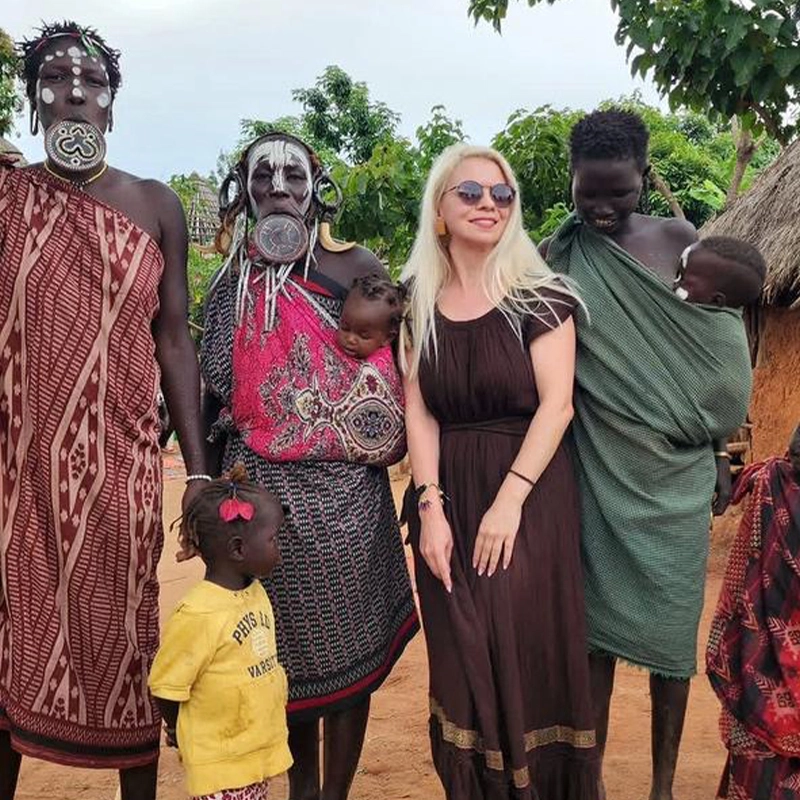
Omo Valley
Meet indigenous communities and experience their daily life.
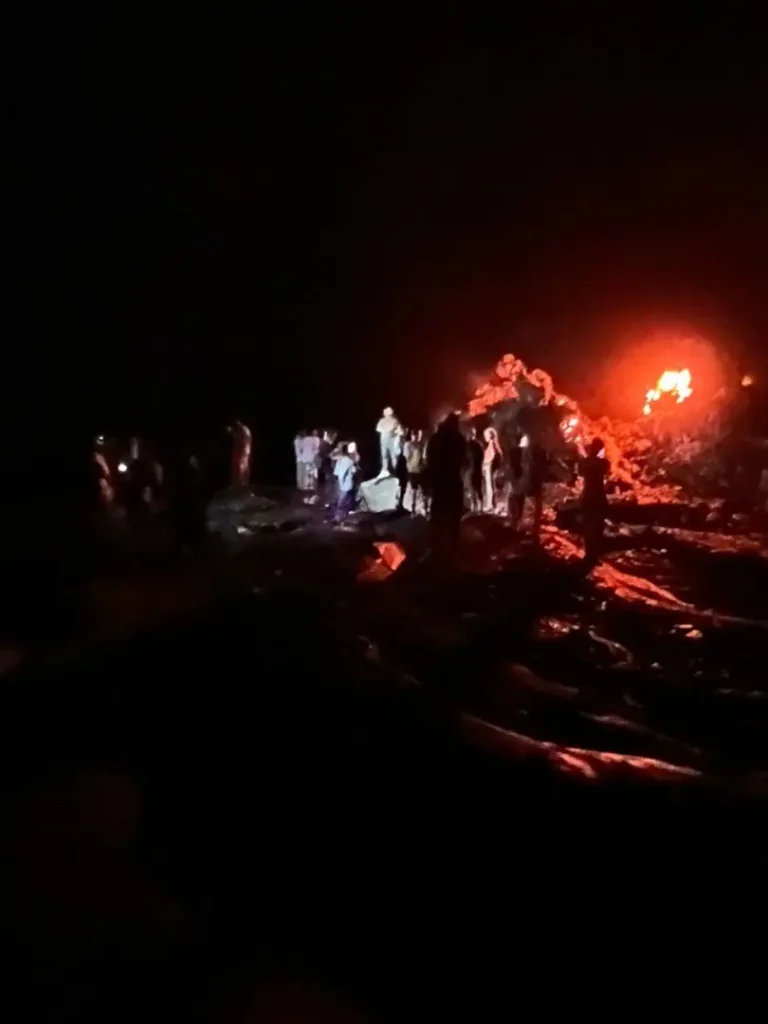
Danakil Depression
Otherworldly landscapes. salt flats and volcanic terrain.
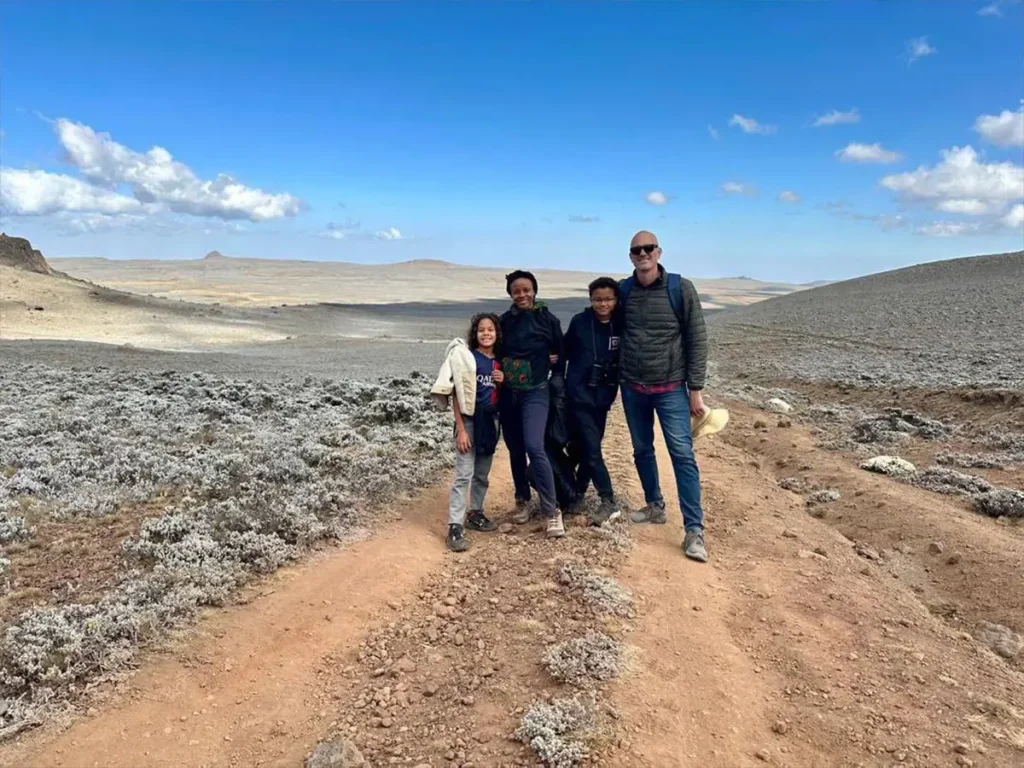
Ethiopia is not one journey. It is history, culture, wilderness and living tradition woven together.
First Time in Ethiopia?
For travelers who want history, culture and spectacular scenery in one journey. our combination tours connect several of Ethiopia’s most rewarding destinations.